Reclaiming the Sacred Night through Celtic Eyes
Christians often avoid Halloween. It is seen as dark or demonic, a night of ghosts and ghouls better left unspoken. Yet in our fear of the dark, we have forgotten something ancient and holy.
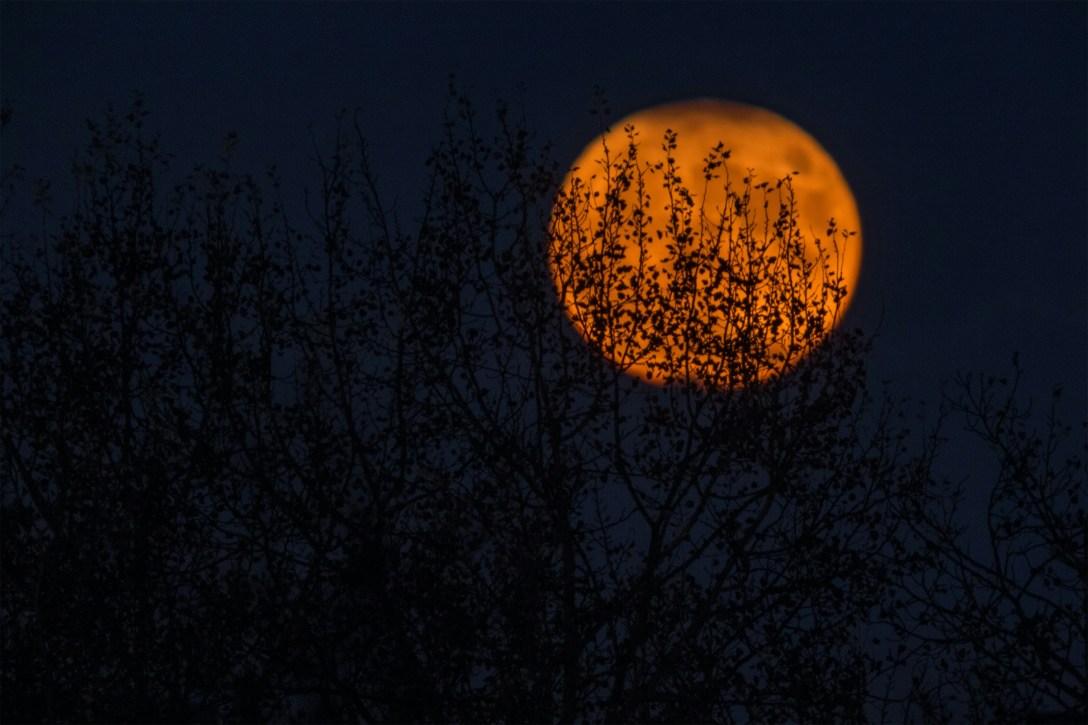
The Celts called this season Samhain, the turning of the year when the veil between worlds grew thin. They lit fires not to summon spirits but to honour the mystery of life and death, to remember that the light makes its home in the night.
To them, the end of the year was not a time to fear but to listen to the whisper of the wind, to the stories of ancestors, to the quiet truth that death and life are interwoven. When the Church arrived in Celtic lands, it did not erase Samhain. It baptised it, transforming its wisdom into the rhythm of All Hallows Eve, All Saints Day, and All Souls Day, a sacred trinity of remembrance.
The Christian Roots of the Holy Evening
Halloween literally means All Hallows Eve, the night before All Saints Day on the first of November. In the early centuries, Christians would gather to remember those who had gone before them, the saints, the faithful, the beloved dead.
The theology was not one of fear but of communion. As the Apostles Creed declares, we believe in the communion of saints. That means heaven and earth are not far apart. We are one body, the living and the dead held together in Christ.
The night before All Saints was a vigil, a time to pray, to light candles, to tell stories, to remember. The darkness was not a place of dread but a threshold. It was a space where the Church stood with the saints, trusting that even the grave is not the end.
Halloween was never meant to glorify death but to proclaim that death has lost its sting (1 Corinthians 15:55).
The Celtic Way of Embracing the Thin Places
In Celtic Christianity, the sacred was never locked away in temples or confined to daylight. It breathed in the sea mist, the glow of the fire, the cry of the wind. The Celts spoke of thin places, moments and landscapes where heaven and earth seem to meet. Samhain was one of these thin places, a hinge between seasons, a pause between harvest and winter, light and dark, life and death.
To the Celtic mind, darkness was not evil. It was part of the whole. It was where seeds slept, where transformation began. The monks of Iona and Lindisfarne often prayed at night, seeing in the stars the promise of a God who keeps watch when all else rests. Psalm 139:12 says, “Even the darkness is not dark to you.” The night is as bright as the day.
When we hide from the dark, we lose something essential, the capacity to see God in mystery. Halloween, seen through Celtic eyes, becomes a sacred reminder that faith is not certainty but courage in the unknown.
Reclaiming the Night
Modern Christianity often separates light from darkness as if they were enemies, yet the story of Christ shows otherwise. God is born into the darkness of a stable. He prays in the dark garden of Gethsemane. He descends into the shadow of death before rising in dawn’s light.
To celebrate Halloween as Christians is not to glorify darkness but to declare that Christ’s light dwells there too. The pumpkins and candles, the laughter and costumes, can become acts of holy defiance. Each candle lit in the hollow of a pumpkin is a proclamation of John 1:5, The light shines in the darkness, and the darkness has not overcome it.
Children who dress as skeletons or ghosts are, in a strange way, acting out the gospel’s hope that death no longer has the final word. Laughter in the face of fear is resurrection courage.
To walk through the night, to look upon the symbols of mortality with wonder instead of terror, is to live out the truth of Romans 8:38-39, that nothing, not even death, can separate us from the love of God.
Practising a Sacred Halloween
Reclaiming Halloween does not mean ignoring its shadows; it means redeeming them. It means grounding the night in ritual, memory, and joy.
Here are a few ways Christians might enter the evening as a holy practice:
• Light a candle for loved ones who have died. Speak their names aloud. Let memory become prayer.
• Tell stories of the saints, not just the famous ones but the everyday holy people whose faith shaped your own.
• Bless your home and street as children wander through, handing out lollies with warmth and laughter. Generosity itself is light.
• Walk under the night sky and pray, “Even here, You are with me.”
• Join the joy of the children. Remember that play is not frivolous. It is spiritual resilience. To laugh at death is to trust in resurrection.
When the Celts kept Samhain they shared food with the poor and offered hospitality to wandering souls. To reclaim that spirit is to see Halloween as an act of community, where fear gives way to welcome and strangers become friends.
The Holy in the Haunting
Halloween, at its best, is a kind of Celtic sacrament, a sign that all creation, even the dark, can be redeemed. It reminds us that we are creatures of dust and spirit, flesh and breath, life and loss.
The Church’s fear of Halloween is perhaps a symptom of something deeper, our discomfort with mortality. But the gospel calls us not to denial but to transformation. The tomb, after all, became the doorway to life.
To enter the night is to practise hope. It is to walk where fear once reigned and whisper, “Christ is here too.” It is to remember that resurrection does not erase death. It transfigures it.
So this Halloween, light your candles. Laugh with your neighbours. Honour the saints and your loved ones who rest in God. Bless the children as they run through the dusk with sugar and delight.
Let it be known again that the light makes its home in the night, that even here, amid shadow and laughter, God is near.
 Scribbling Theology