My Top 5 Books of 2025

I do not usually read with lists in mind. I read slowly, often distractedly, sometimes devotionally, sometimes just to survive a season. But looking back over this year, a handful of books stand out not because they impressed me intellectually, but because they helped to form me. They changed the way I noticed the world. They softened me. They reoriented my imagination toward God.

These are my top five books of 2025, not ranked by importance, but gathered because each met me where I was and quietly moved me somewhere better.

1. Haiku: Japanese Poems for the Four Seasons edited by Ornella Civardi

This book did something simple. It forced me to slow down.
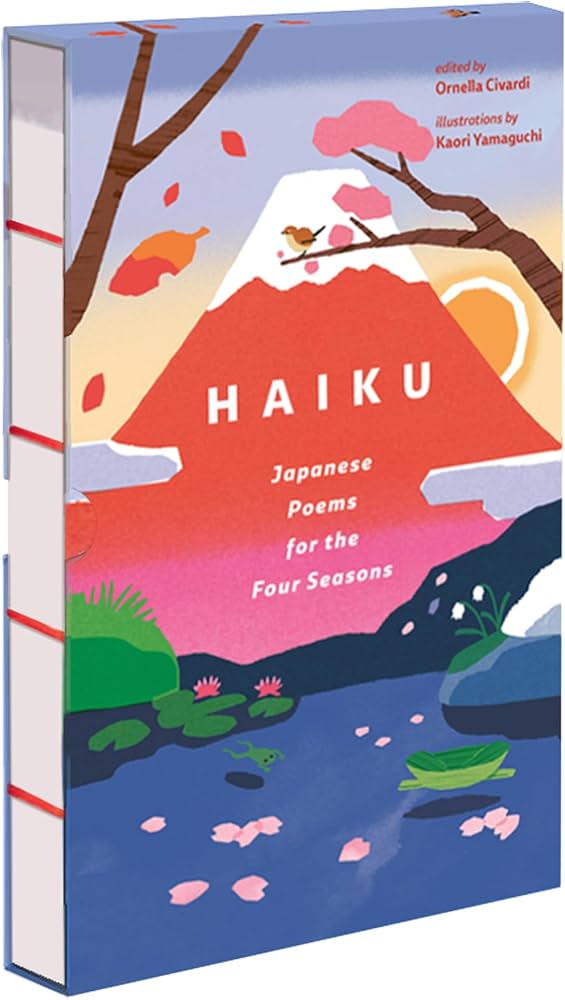
Haiku does not allow for rushing. There is no room for verbosity or explanation. You must attend. You must notice. A falling leaf. The sound of rain. A moment that would otherwise pass unnoticed. Reading these poems is helping me to train my attention outward again, away from constant abstraction and into the texture of the world around me.

Spiritually, this mattered more than I expected. It reminded me that presence is not a technique but a posture. That the sacred often hides in what is small and fleeting. That God does not always speak in paragraphs but sometimes in a single image, held long enough to be received.

I found myself more deliberate after reading this book. More aware of light, sound, and stillness. In a culture obsessed with speed and productivity, haiku felt quietly resistant. Almost monastic.

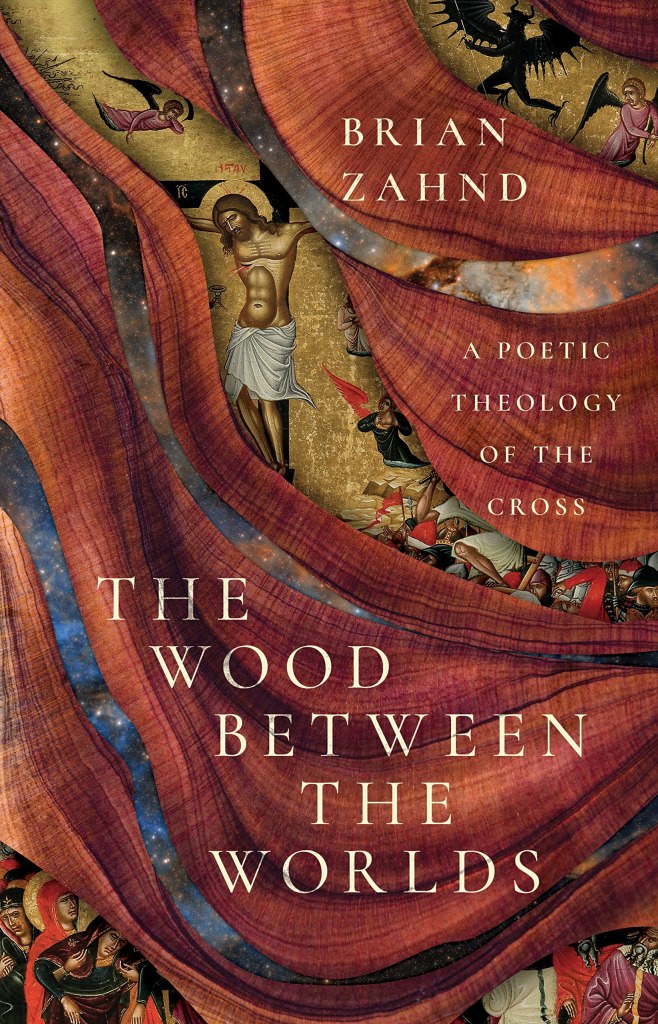
2. The Wood Between the Worlds by Brian Zahnd

Zahnd has a gift for naming the thin places between heaven and earth, and this book lives entirely in that space. Drawing its imagery from C S Lewis, The Wood Between the Worlds explores liminality, transformation, and the places where God meets us between certainty and chaos.
What I appreciated most was its refusal to rush toward answers. This is not a book trying to win arguments. It is a book inviting readers into mystery, into surrender, into the slow work of unlearning false images of God.

It resonated deeply with my own growing sense that faith is less about holding tight to certainty and more about learning how to dwell faithfully in the in between. Zahnd writes with pastoral warmth, theological depth, and poetic imagination, making this a book I returned to more than once.

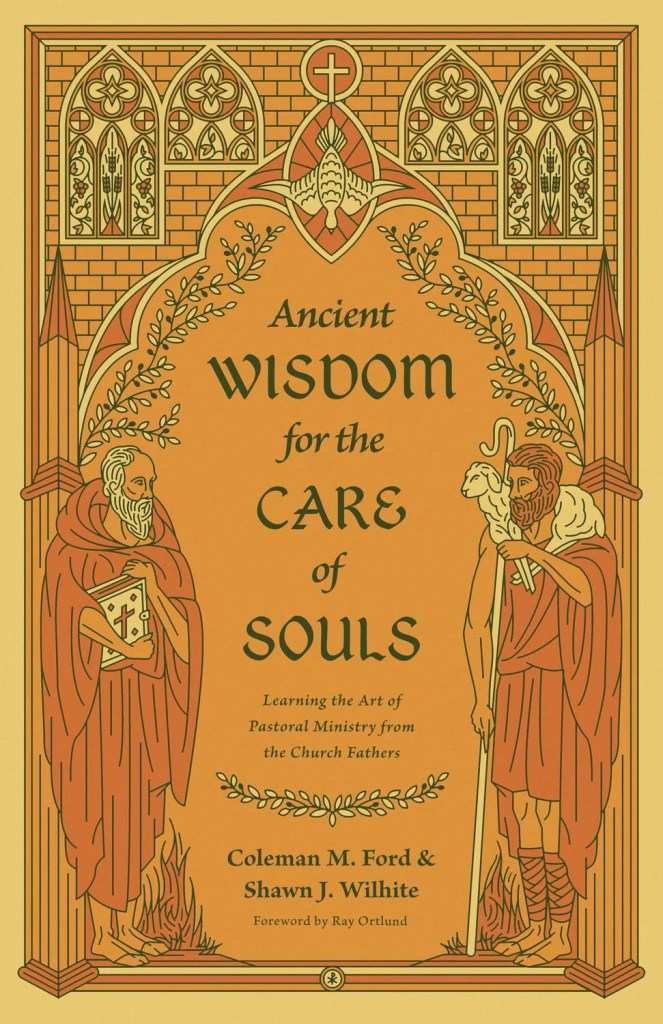
3. Ancient Wisdom for the Care of Souls: Learning the Art of Pastoral Ministry from the Church Fathers By Coleman M. Ford and Shawn J. Wilhite

In an age where pastoral ministry is often shaped by metrics, branding, and performance, this book gently but firmly pulls us back to a much older vision of soul care. One rooted in patience, humility, discernment, and deep attention to the inner life.
The section on Gregory of Nyssa stood out to me in particular. His vision of the soul as endlessly journeying into God, always growing, always becoming, reframed formation not as fixing people but as accompanying them. Gregory does not see humanity as a problem to be solved, but as a mystery to be loved into wholeness.

That perspective has stayed with me. It has shaped the way I think about spiritual direction, formation, and even my own inner life. It reminded me that good pastoral care is slow, relational, and deeply human.

4. The Shack by William Paul Young

I know this book divides opinion. But this year, God used it powerfully in my life.
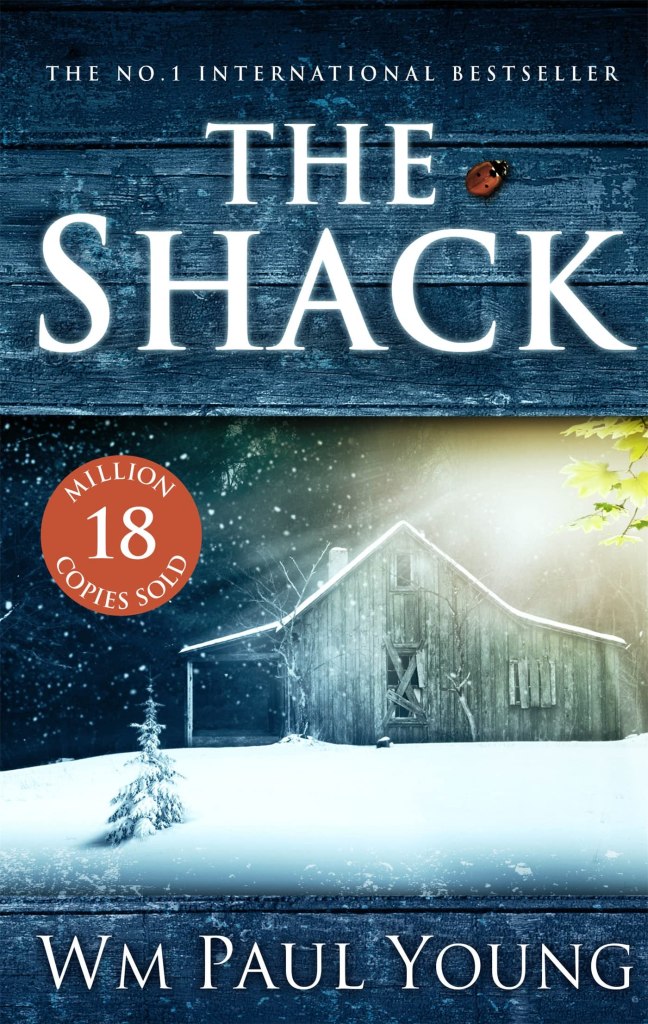
The Shack met me at a time when I needed healing more than explanation. It did not answer all my theological questions, nor did it try to. Instead, it reintroduced me to a God who is present in suffering, gentle with wounds, and more loving than my fear had allowed me to imagine.

Reading it felt less like consuming a book and more like being accompanied through a difficult conversation. It helped clarify my path toward God this year, not by removing doubt, but by reshaping trust.

For all its simplicity, The Shack carries a deeply pastoral theology. One that prioritises relationship over control, love over fear, and presence over performance. I am grateful for it.

5. Kitchen Hymns by Pádraig Ó Tuama

Reading Pádraig always feels like home.

Ó Tuama has a remarkable ability to write about God without forcing God into the room. Kitchen Hymns is intimate, domestic, and deeply human. It finds the sacred in ordinary spaces, conversations, and moments that rarely feel religious enough to matter.
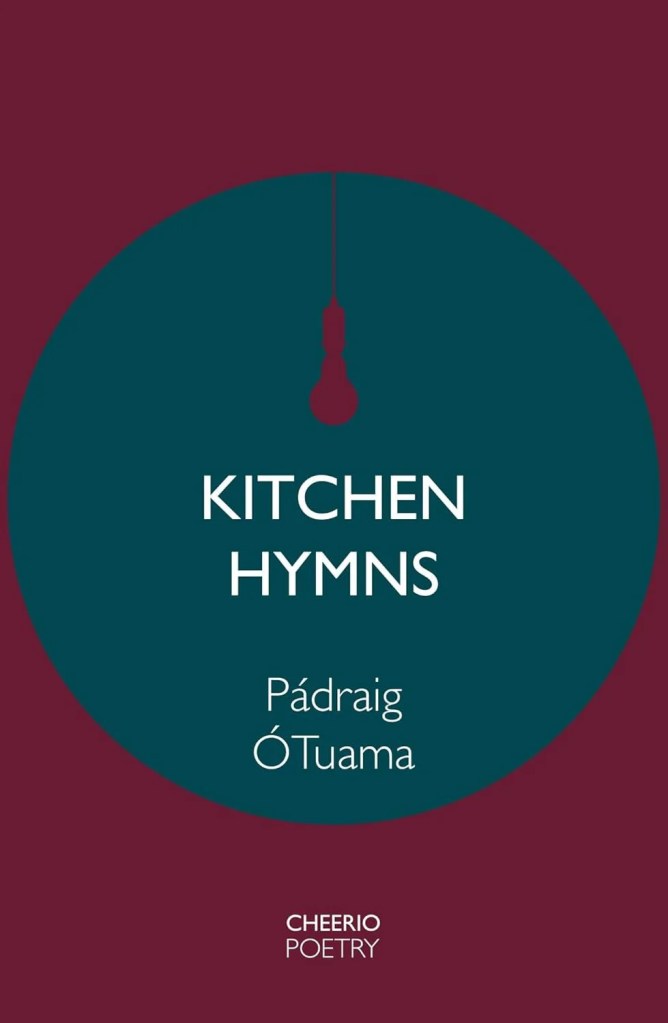
What I loved most is how gently theological it is. The poems and reflections do not preach. They listen. They honour complexity. They allow grief, joy, doubt, and love to sit at the same table.

This book reinforced something I keep returning to in my own writing and faith. That God is not waiting for us in abstraction or spiritual achievement, but already present in kitchens, friendships, silence, and shared meals.
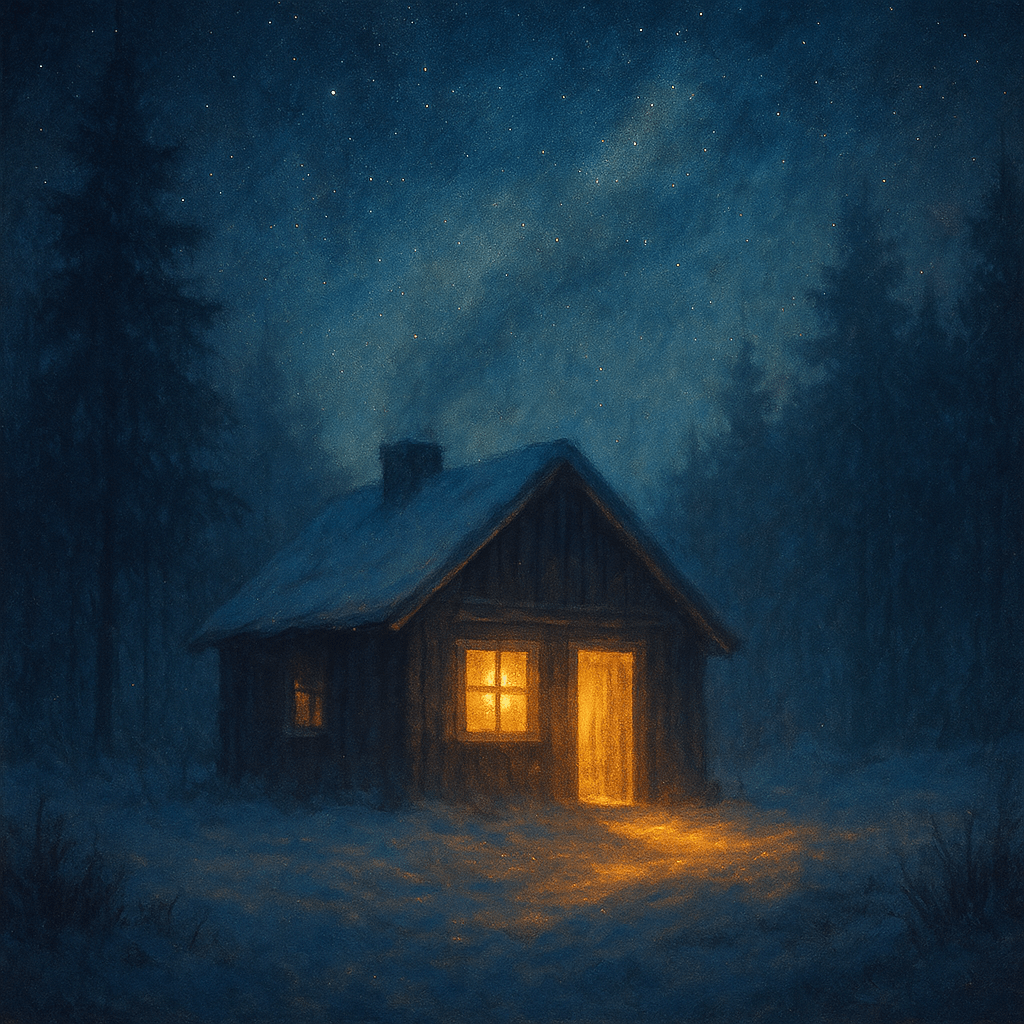
The Shack: A Reflection

When William Paul Young wrote The Shack, he was not trying to explain why terrible things happen. He was writing his way through sorrow. Like Job, he sat among the ashes, surrounded by questions that would not rest. Out of that ache came a story. Not a sermon, but a parable about the God who meets us in our broken places.

The Silence of God

In the book of Job, the suffering man cries into the dark, “Oh, that I knew where I might find him.” Mackenzie, the father in The Shack, makes the same cry. He pleads for answers, for justice, for the God who seems to have turned away. And then, like Job, he receives not an explanation but an encounter.

The story reminds us that God does not stand outside pain, observing from a safe distance. God enters it. The cross is not a theory of evil but the place where God shares it. Gregory of Nyssa (c. 335–395) once wrote, “That which He has not assumed He has not healed.” When Christ took on our humanity, our confusion, our fear, our grief, He turned suffering into the place where healing begins.

The Human Face of God

What startled many readers of The Shack was how ordinary God seemed. The Father, called Papa, is a warm woman who laughs and bakes bread. The Spirit moves like a soft wind, full of life. Jesus is earthy, playful, and scarred.

For some, this felt irreverent. For others, it was freeing. It reminded us that the mystery of God is larger than our imagination, and that God is not afraid of being close. Irenaeus of Lyons (c. 130–202) once said, “The glory of God is a human being fully alive.” The divine shows up not in grand displays of power but in the tenderness of relationship.

For me, that image of God as a woman was strangely comforting. I have carried my own wounds around the word “father,” the kind of ache that makes intimacy with God feel complicated. Meeting God first in a motherly form would be a gentler introduction for my heart, an invitation to trust again before I could rediscover what “Father” might really mean. And that is all right.

God is not confined to any one image or gender. Scripture speaks of God as a mother who comforts her child, as a father who runs to embrace his son, as wisdom dancing at creation, as spirit breathing over the waters. God contains them all and yet exceeds them all. When God meets us, it is always in the way that heals us best.

And perhaps that is what The Shack captures so beautifully. God does not always have to relate to us in perfect theological categories. The God of the novel might not look exactly like the Trinitarian formulations of church history, but that does not make the encounter less true. Sometimes what is doctrinally perfect is not what is pastorally healing. Sometimes what is fact is not yet what is good for us.

God meets us where we are, not where we have managed to arrive theologically.

These kitchen scenes of cooking, laughing, and washing dishes are not incidental. They show us that heaven is not far away, and that holiness is not fragile. God is at home in our kitchens and our conversations, in the small things that hold the world together. Bread broken in love is never just bread. It becomes the body of grace in every act of forgiveness.

The Dance of Relationship

The story shows the Trinity not as an idea to explain but as a living dance of love. Mack finds himself in a circle of laughter, humility, and delight. Father, Son, and Spirit moving together. There is no hierarchy, no fear, only mutual joy.

This is what divine life looks like, communion that never ends. Mack’s healing does not come through answers but through being drawn into relationship. He learns to trust again. He learns that forgiveness is not demanded of him but offered to him. The Father holds his pain without rushing him. The Spirit guides him into honesty. Jesus walks beside him in the dirt, showing him that redemption is as simple and sacred as friendship.

The Trinity is not explained here. It is experienced. The story whispers that God’s power is not the power to control but the power to love without limit.

The Mystery of Shared Suffering

When Mack asks why God allowed his daughter to die, God does not give a reason. God grieves with him. The most daring moment in the book is when we see God cry. Those tears are not weakness. They are the heart of compassion.

In Christ, God takes our pain into Himself, and in doing so makes it holy. The tears of God in The Shack reflect the tears of Christ at Lazarus’ tomb, tears that do not remove death but transform it.

The story shifts our question from Why does God allow suffering? to Where is God in my suffering? And the answer, again and again, is Here.

The Shacks We Carry

Each of us has a shack, a place in our hearts that we have boarded up, a room where grief or guilt still lives. We avoid it. We build our lives around it. But this story invites us to step inside again, not alone but with God.

When we dare to enter that place, we may find what Mack finds, that the very ground of our pain can become the ground of God’s presence. The shack becomes a temple. It becomes a place of communion.

Athanasius of Alexandria (c. 296–373) once wrote, “God became what we are, that He might make us what He is.” In other words, God steps fully into our humanity so that our humanity can be gathered into divine love. God meets Mack not to undo what happened, but to show him that nothing, not even the deepest wound, can separate him from love. What changes is not the past but the way it is carried, from isolation to belonging, from despair to trust.

An Invitation

Perhaps The Shack is not a story to be solved but a space to inhabit. It does not offer tidy explanations. It opens a room for encounter. It asks whether we are willing to meet God, not the idea of God, but the living presence who cooks, who laughs, who cries, who stays.

So maybe the question for us is this.
Where is our own shack?
Where is that place we have locked away because it hurts too much to enter?
And what if God is already there, waiting by the fire, patient as bread rising in the oven, whispering, “You were never meant to carry this alone”?

The heart of the story is not about understanding suffering but about discovering love. It is not about solving God but trusting God. Faith is not built on answers. It is built on presence.

And maybe that is the quiet truth of The Shack: that God is nearer than we ever dared to believe, nearer than our pain, nearer than our fear, nearer than our own breath.

The Ache of Beginnings: Reading Genesis 1–11 with Open Hands

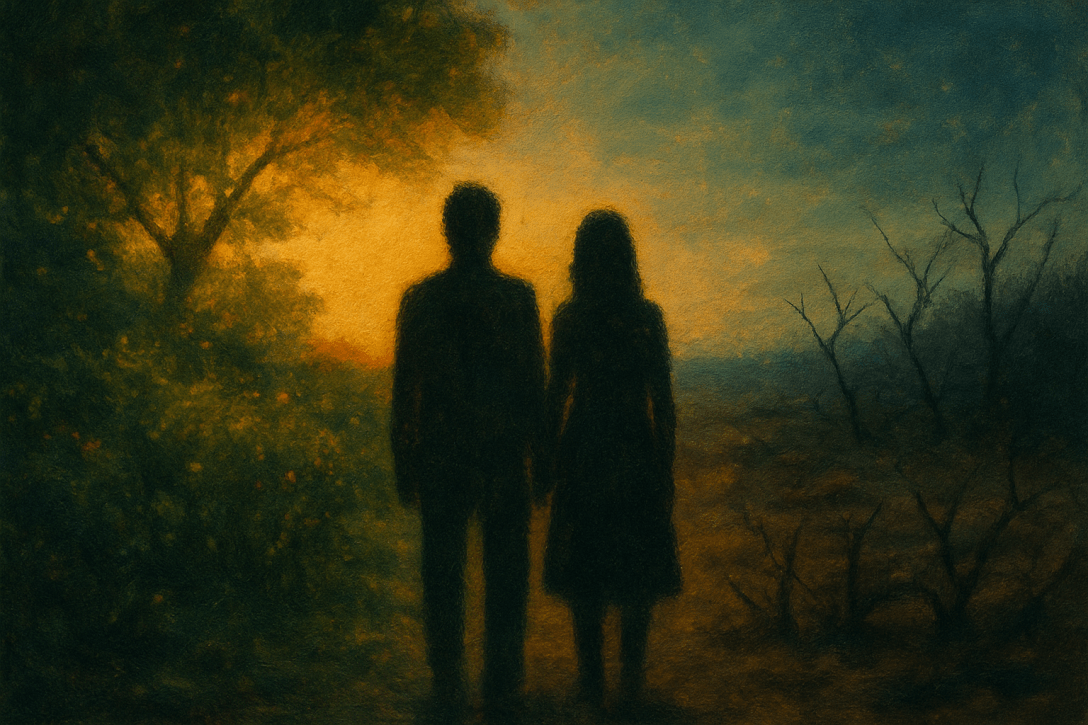
Two abstract silhouettes, male and female, stand together at twilight between a flourishing garden glowing with golden light and a barren wilderness of dry soil and thorns. The scene symbolises humanity east of Eden, caught between exile and communion with God.

Where did it all go wrong?

Genesis does not begin with a courtroom but with a garden. It does not give us a manual of origins but a story of longing, freedom, and fracture. These early chapters are less about when and more about why. They are not fossils of a world long gone but mirrors of our own. They speak of desire that bends, of Exile that begins, of God who keeps walking into the story anyway.

“In the beginning, God…” (Genesis 1:1). Before the ache, before the questions, there was only God. All that exists flows out of this life. Gregory of Nyssa said that only God truly has being in Himself, while all else exists only by participation. Creation is not necessary, but a gift. The beginning is not a moment in time but the eternal One whose presence holds everything in existence.

Wisdom desired, wisdom distorted

The tree was not poisonous. It was a possibility. Wisdom was always meant to be humanity’s inheritance, but in God’s time, not ours. In Genesis 3, the grasping of fruit is less about appetite and more about autonomy. To seize before its time is to make wisdom collapse into folly.

Paul would later write, “The wisdom of this world is foolishness with God” (1 Corinthians 3:19). The mystics often spoke of a wisdom that comes not by grasping but by surrender. True wisdom is received, not snatched. It ripens only in the soil of trust. To forget that all wisdom is participation in God is to fall back into Exile.

The question in the garden

When Adam and Eve hide, God does not thunder judgment first. He asks a question: “Where are you?” (Genesis 3:9). It is the first question God asks in Scripture, and it has never stopped echoing. It is less a demand for location than a call to self-awareness. Where are you? Not just in the garden, but in your soul, in your wandering, in your ache.

The desert fathers and mothers taught that prayer begins not with words but with awareness. To stand before God is to hear that question again and again. Where are you? The psalmist answers, “Where can I go from your Spirit? Where can I flee from your presence?” (Psalm 139:7). Even in hiding, God is near. Even in Exile, our being still participates in Him.

Shame, blame, and the covering of God

We cover ourselves with fig leaves, then point fingers to deflect the weight of our shame. The first man blames the first woman. The first woman blames the serpent. This is the rhythm of fallen humanity: hiding, deflecting, excusing. But even here, grace intrudes. God does not leave them naked. “The Lord God made garments of skin for Adam and his wife and clothed them” (Genesis 3:21).

The covering is both tender and terrible. Tender, because it restores dignity. Terrible, because it hints at the cost of covering. Life surrendered for life preserved. The cross is already flickering in the shadows of Eden. To be clothed by God is to be reminded that even when we try to cover ourselves in fear, our true being remains grounded in Him.

The curse and the serpent

The serpent is not annihilated but transformed. Dust becomes its food, enmity its destiny. The curse is not a spell but a new pattern of existence. Relationships fracture. Creation distorts. Struggle is woven into soil and womb alike.

Yet even here, hope is stitched in. “He will crush your head, and you will strike his heel” (Genesis 3:15). A wound will remain, but victory will come. The first gospel is spoken over the dust. The Eastern fathers often called this the “protoevangelium”, the first glimmer of redemption. Even in curse, God remains the source of being, and from Him redemption begins to unfold.

Exile and the ache of humanity

To be human is to be east of Eden. To till soil that resists. To live under a curse and yet still carry promise. Adam names Eve “mother of all living,” even as death has entered the story (Genesis 3:20). Exile is unavoidable, but so is God’s relentless pursuit.

And yet, to be truly human is more than east of Eden. It is to walk in the cool of the day with God. It is to flourish in the garden, unashamed, at peace with creation, with self, and with one another. Exile names our condition. Communion names our calling.

Julian of Norwich once wrote, “Our soul is made of God and in God it is grounded.” To be human is to ache for that grounding. We evolve, not merely biologically but spiritually, socially, and theologically. From garden to city, from scattering to gathering, from Babel’s confusion to Pentecost’s tongues of fire. Humanity is still in process, but its being remains anchored in the One who was there in the beginning.

The ache of new creation

Genesis 1 to 11 is not just about what went wrong but about what God will set right. These are the seed-stories, and they lean forward. From the waters of the flood to the scattering at Babel, creation keeps unravelling. And yet the Spirit hovers still, waiting to call forth a new beginning.

Paul names Jesus the “last Adam” (1 Corinthians 15:45), and John sees a new heaven and a new earth (Revelation 21:1). The garden at the beginning becomes the city at the end, the Tree of Life reappearing, its leaves “for the healing of the nations” (Revelation 22:2).

Gregory of Nyssa’s words echo here, too. Only God has being in Himself, and at the end, all creation will be drawn into that fullness. “In the beginning, God” will one day be heard again as “God all in all” (1 Corinthians 15:28). The end is a return to the beginning, to the One who called us into life.

We read these stories not as distant myths but as mirrors. They are the patterns we still live in: hiding, blaming, longing, wandering. But they are also the patterns of God: seeking, covering, promising, recreating.

Perhaps the most profound truth of Genesis 1 to 11 is not simply how the world began, but that God refuses to let the story end in Exile. The God who walks in the twilight of Eden still walks among us, still asks the old question, still whispers us toward new creation.