A Theological Reflection on “On the Incarnation” in Its Historical Moment
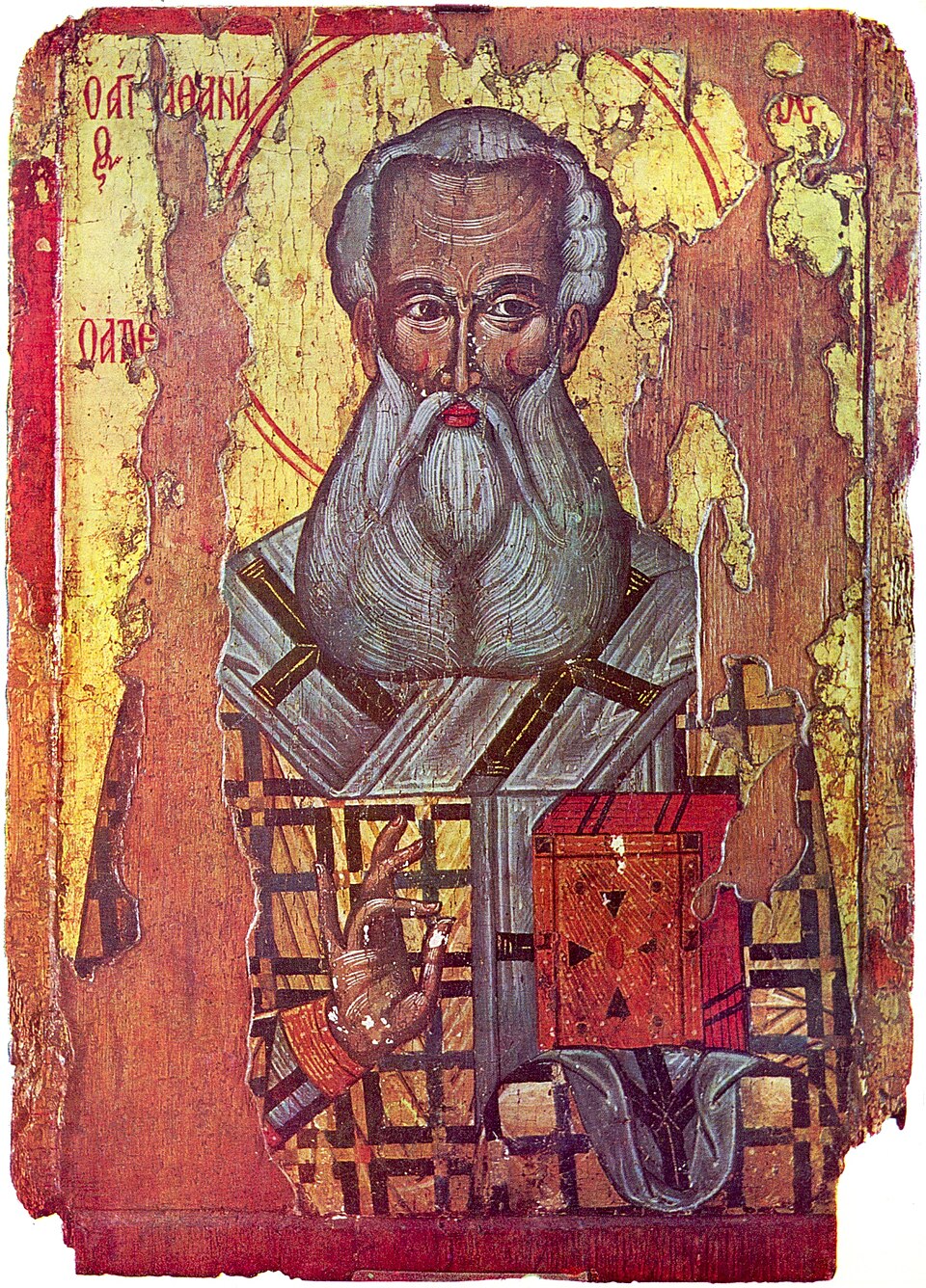
In the early fourth century, Christians went from facing persecution to receiving uncertain support from the empire. Athanasius of Alexandria wrote On the Incarnation during a time of confusion and exile. Many believers lost homes and were divided over who Christ was. For them, the question of Jesus’s identity had real and urgent consequences (Athanasius, On the Incarnation 1–2).
Athanasius lived and wrote in Alexandria, a city known for its intellectual life. Here, Greek philosophy, Jewish theology, Roman authority, and Christianity all met. The main conflict was about one question: Who is Jesus? Was he fully God or a created being? The Arian controversy was serious, as it affected Christian worship, prayer, and salvation (John 1:1–3; Colossians 1:15–20).
Athanasius said that if Christ is not fully God, then humanity stays trapped in decay (Athanasius, On the Incarnation 7). A created being cannot restore creation; only the Creator can heal what is broken (Psalm 36:9; Hebrews 2:14–15). Only God saves; Jesus saves; therefore, Jesus is God. This fundamental principle forms the basis of Athanasius’s argument and guides the whole book. Athanasius is not just focused on philosophical detail; he wants to show that the world is being restored.
Athanasius retells the Christmas story as a struggle involving the whole universe, underscoring its importance for his message. He moves beyond simple sweetness or just historical views, placing the empire’s power alongside the quiet strength of Christ’s simple birth. Where others see only a child in a manger, Athanasius sees a revolution: the incarnation as God’s bold action in the world of power.
Jesus was born during a time of empire, census, displacement, and fear (Luke 2:1–7). Caesar Augustus claimed to bring peace, but did so through taxes and military force. Joseph and Mary travelled because of an imperial order. Jesus was born not in a palace, but in a borrowed place, far from power. For Athanasius, this is important. While the empire tries to keep order, creation is falling apart (Athanasius, On the Incarnation 4).
Athanasius says that humanity’s problem is not only moral failure, but also corruption. God made people from nothing and keeps them alive through relationship. When people turn away from God, they move toward nothingness (Athanasius, On the Incarnation 4–5; Genesis 1:26–27; Romans 1:21). Sin breaks things apart. Death serves as more than a punishment; it is what happens when we separate from the source of life (Romans 6:23).
Athanasius sees Christmas as the turning point, the moment when God enters humanity’s broken world.
The incarnation shows that God does not abandon creation. The Word does not rule from far away or just send messages from heaven. The Word becomes flesh (John 1:14). For Athanasius, being truly human is essential. Salvation cannot happen from a distance. Healing requires closeness. What is not assumed cannot be restored (Athanasius, On the Incarnation 8–9).
Athanasius focuses on Christ’s body for a reason. The manger leads to the cross, not simply a feeling, but as a core belief. The body placed in the straw is the same body placed in the tomb (Athanasius, On the Incarnation 20; Luke 23:46). God chooses to be fully vulnerable from the beginning. Hunger, tiredness, suffering, and death are not too low for God (Hebrews 2:17).
The Controversy
The Arian controversy questioned whether Christ was truly God. It said the Son was separate and lower than the Father. Arians said that if the Son was born, there was a time when he did not exist. This made him a created being, not the Creator. The idea made God seem easier to understand by making the Son less than fully God. These arguments became popular because they seemed logical and because explaining the Trinity is hard. However, Athanasius challenges this by asking: How can something created save all of creation? He argues that if death holds humanity, only the Author of life can break that hold (Athanasius, On the Incarnation 7; Acts 2:24). Therefore, when the immortal Word enters death, death meets what it cannot control. Athanasius says the resurrection is not an afterthought, but the public result of what the incarnation began (Athanasius, On the Incarnation 25; 1 Corinthians 15:54–57).
Athanasius shows that incarnation and salvation go together. What we believe about Christ is linked to what we believe about humanity. To say Christ is truly human also says something about all people (Athanasius, On the Incarnation 54; Romans 8:29). Jesus is not an exception; he reveals what it means to be human. Salvation brings humanity back to what it should be.
This vision deeply affects how we live our faith. If God has entered human life, then every part of our physical existence matters spiritually (Athanasius, On the Incarnation 8; Genesis 1:31). Eating, working, loving, suffering, and rejoicing are all ways we can meet God (1 Corinthians 6:19–20). Holiness is not about leaving the world; it’s about living in it. Practically, this means engaging in kindness and service, seeing God’s face in each person. It also means practising daily gratitude and being mindful of God’s presence, whether in quiet reflection or in busy work. By fostering loving, compassionate relationships, we reflect Athanasius’s incarnational theology, connecting deeply with others and God through our everyday actions.
In the fourth century, there was political turmoil, theological conflict, and fear. Athanasius makes a bold claim: reality’s centre is now in human flesh (Athanasius, On the Incarnation 16; Ephesians 1:10). The world’s stability depends not on empire or philosophy, but on a child born under occupation (Luke 2:7). This is a profound challenge to powers that demand ultimate loyalty, both then and now. The focus shifts from secular dominance to divine presence in unexpected places.
For Athanasius, that is what Christmas is all about.
Christmas means that God joins his life to the world (Matthew 1:23). Heaven does not wait for people to reach up; it comes down. Instead, heaven comes down and lifts us from within (Athanasius, On the Incarnation 54; John 3:13). The manger is the main path, not a side road.
Athanasius believes that because the Word enters our story, history now moves toward life rather than emptiness (Athanasius, On the Incarnation 56; Revelation 21:5).
Even though it is deep theologically, On the Incarnation is easy to read. Athanasius writes in a clear, urgent, and caring way. This theology is not only for experts; it speaks to a Church trying to remember God during times of confusion and fear. That alone makes it worth reading.
But even more, this book gently changes how we see things. It moves past sentimental Christmas ideas and offers something stronger and more hopeful. God does not control humanity from a distance. Instead, God enters our weakness and heals it from the inside. That vision stays with you long after you finish reading.
For those seeking a Christmas book that is honest, challenging, and full of life, On the Incarnation stands out. It does not offer easy comfort. Instead, it presents a vision of a world upheld by the Word made flesh.
 Scribbling Theology