
The Kingdom of God, the problem of power, and what it means to follow a crucified King.
On Sunday, I preached from Revelation 5 for Reign of Christ Sunday. I began by asking the congregation to think about some of history’s greatest rulers. Alexander the Great, Augustus Caesar, Genghis Khan and Napoleon were among the examples. What interested me was how we tend to measure their greatness. Alexander conquered an enormous empire before dying at 32. The Mongol Empire became the largest contiguous land empire in history, while Napoleon reshaped much of Europe through his military campaigns.
Despite the violence and suffering associated with their conquests, we still remember these men as some of history’s greatest rulers. Apparently, conquering enormous amounts of territory is a fairly reliable way to earn yourself a place in the history books.
Our understanding of power hasn’t changed all that much either. We still admire strong leaders and measure success through influence and control. Even corporations like Shell, Amazon and Meta exercise enormous power over people’s lives, although in quite different ways. Their influence over the environment, working conditions and the information we consume raises questions about how that power is used and who bears the consequences. I used these examples because I suspect Christians sometimes carry similar assumptions into the way we understand God’s Kingdom. We call Jesus King, but our ideas about kingship have largely been shaped by rulers who were very good at getting their own way.
The Kingdoms of the World
First-century Judea was under Roman rule. Rome had established an enormous empire through military conquest, political alliances and an impressive capacity for maintaining control over its territories. For Jewish people living under Roman occupation, the promise of God’s coming Kingdom was especially significant. Jewish expectations about the Messiah varied, but some hoped for a ruler who would liberate Israel from foreign oppression and restore its fortunes. Given their history, it’s not difficult to understand why.
Jesus’ announcement of God’s Kingdom challenged many familiar assumptions about power. In Matthew 5, Jesus blesses the poor in spirit, the meek, the merciful and the peacemakers. He teaches his followers to love their enemies and pray for those who persecute them. When Peter draws his sword to defend him, Jesus tells him to put it away (Matthew 26:52). These aren’t exactly the qualities you’d expect from someone preparing to overthrow the Roman Empire.
Instead of leading a rebellion against Rome, Jesus is crucified by Roman authorities. The early Christians proclaimed that God had raised this crucified Jesus from the dead. The cross, which Rome used to demonstrate its authority, had become central to Christ’s victory over sin, evil and death.
Considering this, the Church’s subsequent relationship with the Roman Empire is worth examining. In 313, Christianity received legal toleration under Constantine and Licinius. By 380, Nicene Christianity had become the empire’s official religion.
Brian Zahnd explores this relationship in The Wood Between the Worlds, particularly in a chapter titled One Ring to Rule Them All. Drawing on Tolkien’s The Lord of the Rings, Zahnd considers how even those who desire power for good reasons can become corrupted by it. In Tolkien’s story, the temptation to use the Ring for noble purposes is part of what makes it so dangerous. Zahnd sees something similar in the Church’s attraction to political power. Jesus entrusted his followers with the keys of the Kingdom and promised the Holy Spirit, yet Christians have repeatedly been drawn towards the influence and authority offered by the state.
I’m certainly not suggesting that Christians should avoid politics. Political decisions affect people’s lives, and governments have genuine responsibilities towards justice and the protection of vulnerable people. I’m less convinced, however, that the Church’s access to political power tells us very much about its faithfulness to Jesus.
The Kingdom of God
In Revelation 5, John describes a vision of God’s heavenly throne. God holds a scroll sealed with seven seals, but nobody in heaven or on earth is found worthy to open it. John begins to weep. The scroll is connected with God’s purposes for creation and the events that unfold throughout Revelation. Its precise meaning is debated, but John’s distress makes clear that its opening is enormously significant.
One of the elders announces that someone has conquered. The Lion of the tribe of Judah, the Root of David, is worthy to open the scroll (Revelation 5:5). Considering everything we’ve discussed about kings and conquerors, the image of a lion seems appropriate. Lions represent strength, authority and the ability to overpower enemies. It’s the sort of imagery we might expect when describing a victorious king.
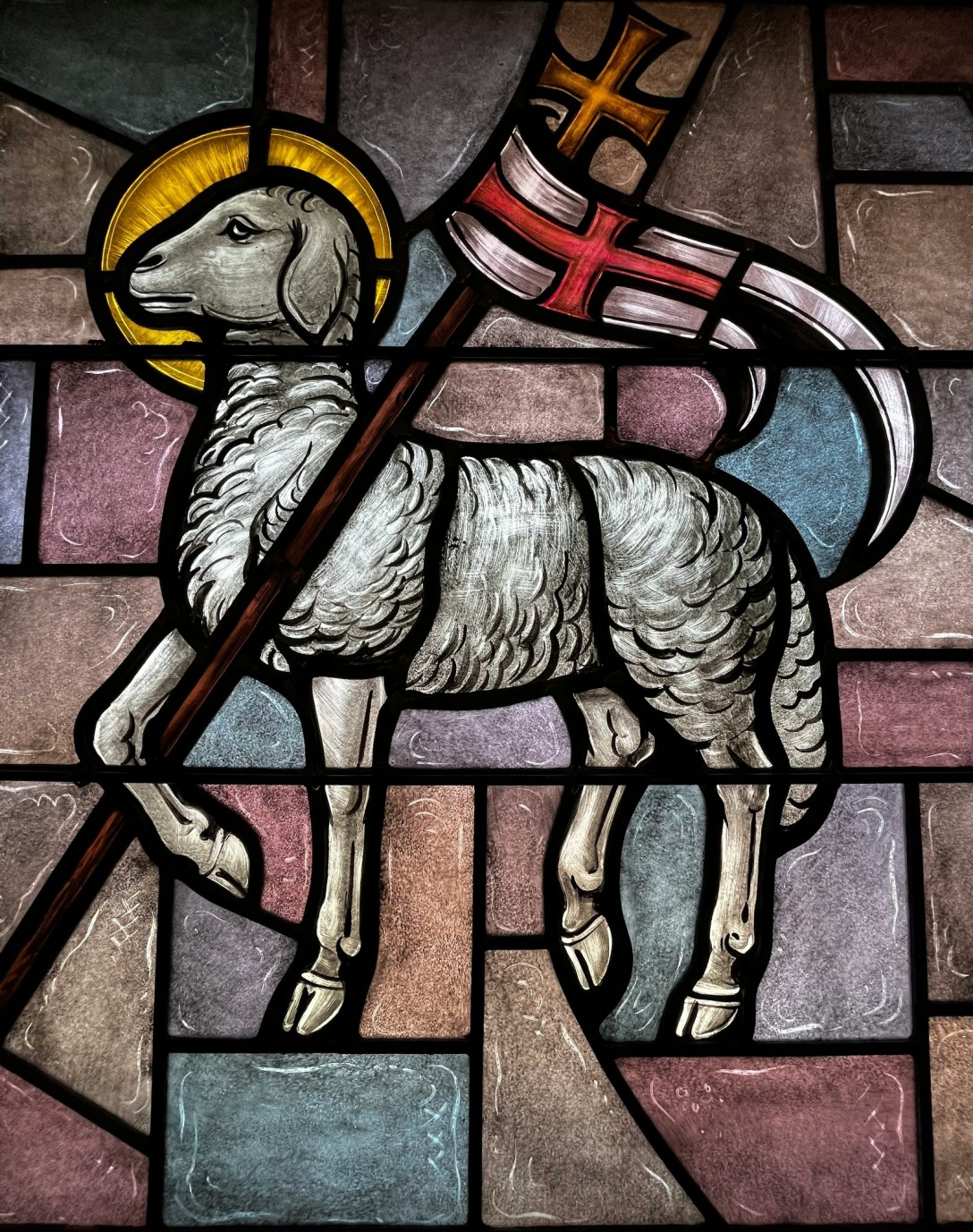
But when John looks, he sees a Lamb standing as though it had been slaughtered (Revelation 5:6).
John hears that the Lion has conquered, but when he looks, he sees the crucified and risen Christ. The imagery is deliberate. The Lion and the Lamb aren’t two different rulers. John’s vision reveals the nature of Christ’s victory through the image of the slaughtered Lamb. Jesus has conquered through his death and resurrection.
For Christians living under Roman authority, this was an extraordinary image of kingship. Rome celebrated its victories through displays of military strength and the defeat of its enemies. The Lamb, meanwhile, bears the marks of his own execution, yet he is standing. And there’s something else worth noticing. The Lamb possesses seven horns, imagery associated with the fullness of power. He takes the scroll from God’s hand, and the heavenly assembly declares him worthy to receive honour, glory and worship.
Jesus’ authority hasn’t been diminished by the cross. The crucified and risen Christ is the one worthy to bring God’s purposes to fulfilment. Revelation also has plenty to say about judgement and the defeat of evil. The Lamb’s victory doesn’t mean injustice is overlooked or that the powers responsible for suffering are simply left alone. We have to understand that victory through the character of Jesus himself.
The one worthy to reign over creation is the same Jesus who taught his followers to love their enemies, welcomed those whom society rejected and willingly suffered rather than abandon his mission. There’s quite a lot for Christians to wrestle with in that image.
The Church: The Kingdom Within the World
In Revelation 5:9–10, the heavenly assembly sings that the Lamb has redeemed people from every tribe, language, people and nation, making them a Kingdom of priests who serve God. Christ’s victory has created a people who belong to his Kingdom.
N. T. Wright, in New Creation and the Mission of the Church, describes the Church as a small working model of the world God intends to make. Wright understands the resurrection of Jesus as the beginning of God’s new creation. The Church is called to become a visible sign of that coming reality, particularly through its unity across ethnic and cultural divisions. I’ve always appreciated this understanding of the Church. The Christian hope involves the resurrection of the dead and the renewal of creation, and we’re already invited to participate in God’s work of reconciliation.
Of course, it’s considerably easier to talk about reconciliation than to practise it. Our churches should be communities where people from different cultures, backgrounds and political persuasions can genuinely belong together. Where justice and mercy shape our relationships, and where vulnerable people are protected rather than overlooked. Anyone who has spent much time in the Church knows we don’t always do these things particularly well.
Christians can be remarkably territorial. We form factions, defend our theological and political preferences, and sometimes spend more energy arguing with one another than listening. We can also become protective of our institutions, even when doing so comes at the expense of people who have been harmed by them. These things concern me because they affect the credibility of our witness. It’s difficult to proclaim a Kingdom characterised by reconciliation while our own communities are divided by hostility, or to speak about Christ’s care for the vulnerable while failing to protect them.
The early Church wasn’t immune to these problems either. Paul’s letters contain plenty of disagreements about status, authority, behaviour and the treatment of other believers. Christian communities have been wrestling with these things for a very long time. But the New Testament also offers us a picture of what faithfulness looks like. In Revelation 12:11, those who belong to the Lamb are described as overcoming through his blood and their testimony, even when remaining faithful costs them their lives.
Their witness is shaped by the victory of Christ himself. If the Church is supposed to offer the world a glimpse of God’s new creation, then the way we exercise authority, respond to injustice and treat people who disagree with us deserves serious attention. We need to be particularly careful when our desire to protect the Church begins to take precedence over caring for the people within it.
Living as Though Jesus Really Is King
Reign of Christ Sunday marks the end of the Christian liturgical year. The following Sunday begins Advent, when we turn our attention towards the coming of Jesus into the world. There’s something fitting about that sequence. We finish the year proclaiming Christ as King, and then begin the next by remembering that this King entered the world as a vulnerable child.
Jesus was born into an ordinary family, lived among ordinary people and spent his ministry announcing the arrival of God’s Kingdom. He healed the sick, welcomed the marginalised and challenged those who used their authority to burden others. Eventually, he was crucified by the very empire that claimed authority over the world. Yet Revelation presents this crucified and risen Jesus as the one who is worthy to reign over all creation.
We spend a great deal of time discussing Christianity’s place in society, its political influence and the apparent decline of religious authority in the Western world. Some of those concerns are legitimate, but I sometimes wonder whether they distract us from more immediate responsibilities.
I’d like our churches to be recognised for the way we love people, particularly those who are vulnerable, difficult to love or unable to offer us anything in return. I’d like us to be communities where people can disagree without becoming enemies, where authority is exercised responsibly, and where we have the humility to acknowledge when we’ve caused harm.
If we genuinely believe that Jesus Christ is King, surely that should be evident in the way we live together.

