
When William Paul Young wrote The Shack, he was not trying to explain why terrible things happen. He was writing his way through sorrow. Like Job, he sat among the ashes, surrounded by questions that would not rest. Out of that ache came a story. Not a sermon, but a parable about the God who meets us in our broken places.
The Silence of God
In the book of Job, the suffering man cries into the dark, “Oh, that I knew where I might find him.” Mackenzie, the father in The Shack, makes the same cry. He pleads for answers, for justice, for the God who seems to have turned away. And then, like Job, he receives not an explanation but an encounter.
The story reminds us that God does not stand outside pain, observing from a safe distance. God enters it. The cross is not a theory of evil but the place where God shares it. Gregory of Nyssa (c. 335–395) once wrote, “That which He has not assumed He has not healed.” When Christ took on our humanity, our confusion, our fear, our grief, He turned suffering into the place where healing begins.
The Human Face of God
What startled many readers of The Shack was how ordinary God seemed. The Father, called Papa, is a warm woman who laughs and bakes bread. The Spirit moves like a soft wind, full of life. Jesus is earthy, playful, and scarred.
For some, this felt irreverent. For others, it was freeing. It reminded us that the mystery of God is larger than our imagination, and that God is not afraid of being close. Irenaeus of Lyons (c. 130–202) once said, “The glory of God is a human being fully alive.” The divine shows up not in grand displays of power but in the tenderness of relationship.
For me, that image of God as a woman was strangely comforting. I have carried my own wounds around the word “father,” the kind of ache that makes intimacy with God feel complicated. Meeting God first in a motherly form would be a gentler introduction for my heart, an invitation to trust again before I could rediscover what “Father” might really mean. And that is all right.
God is not confined to any one image or gender. Scripture speaks of God as a mother who comforts her child, as a father who runs to embrace his son, as wisdom dancing at creation, as spirit breathing over the waters. God contains them all and yet exceeds them all. When God meets us, it is always in the way that heals us best.
And perhaps that is what The Shack captures so beautifully. God does not always have to relate to us in perfect theological categories. The God of the novel might not look exactly like the Trinitarian formulations of church history, but that does not make the encounter less true. Sometimes what is doctrinally perfect is not what is pastorally healing. Sometimes what is fact is not yet what is good for us.
God meets us where we are, not where we have managed to arrive theologically.
These kitchen scenes of cooking, laughing, and washing dishes are not incidental. They show us that heaven is not far away, and that holiness is not fragile. God is at home in our kitchens and our conversations, in the small things that hold the world together. Bread broken in love is never just bread. It becomes the body of grace in every act of forgiveness.
The Dance of Relationship
The story shows the Trinity not as an idea to explain but as a living dance of love. Mack finds himself in a circle of laughter, humility, and delight. Father, Son, and Spirit moving together. There is no hierarchy, no fear, only mutual joy.
This is what divine life looks like, communion that never ends. Mack’s healing does not come through answers but through being drawn into relationship. He learns to trust again. He learns that forgiveness is not demanded of him but offered to him. The Father holds his pain without rushing him. The Spirit guides him into honesty. Jesus walks beside him in the dirt, showing him that redemption is as simple and sacred as friendship.
The Trinity is not explained here. It is experienced. The story whispers that God’s power is not the power to control but the power to love without limit.
The Mystery of Shared Suffering
When Mack asks why God allowed his daughter to die, God does not give a reason. God grieves with him. The most daring moment in the book is when we see God cry. Those tears are not weakness. They are the heart of compassion.
In Christ, God takes our pain into Himself, and in doing so makes it holy. The tears of God in The Shack reflect the tears of Christ at Lazarus’ tomb, tears that do not remove death but transform it.
The story shifts our question from Why does God allow suffering? to Where is God in my suffering? And the answer, again and again, is Here.
The Shacks We Carry
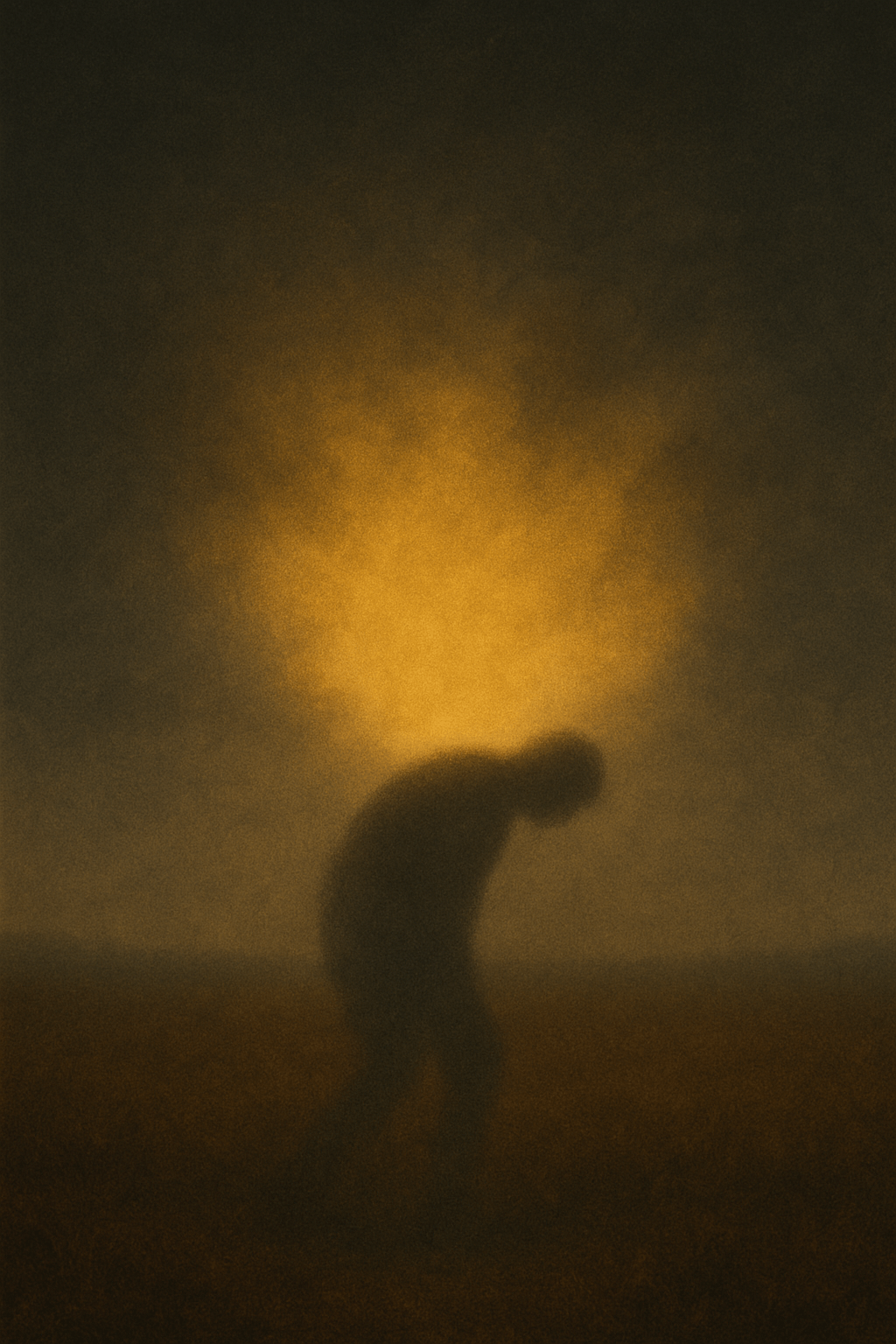
Each of us has a shack, a place in our hearts that we have boarded up, a room where grief or guilt still lives. We avoid it. We build our lives around it. But this story invites us to step inside again, not alone but with God.
When we dare to enter that place, we may find what Mack finds, that the very ground of our pain can become the ground of God’s presence. The shack becomes a temple. It becomes a place of communion.
Athanasius of Alexandria (c. 296–373) once wrote, “God became what we are, that He might make us what He is.” In other words, God steps fully into our humanity so that our humanity can be gathered into divine love. God meets Mack not to undo what happened, but to show him that nothing, not even the deepest wound, can separate him from love. What changes is not the past but the way it is carried, from isolation to belonging, from despair to trust.
An Invitation
Perhaps The Shack is not a story to be solved but a space to inhabit. It does not offer tidy explanations. It opens a room for encounter. It asks whether we are willing to meet God, not the idea of God, but the living presence who cooks, who laughs, who cries, who stays.
So maybe the question for us is this.
Where is our own shack?
Where is that place we have locked away because it hurts too much to enter?
And what if God is already there, waiting by the fire, patient as bread rising in the oven, whispering, “You were never meant to carry this alone”?
The heart of the story is not about understanding suffering but about discovering love. It is not about solving God but trusting God. Faith is not built on answers. It is built on presence.
And maybe that is the quiet truth of The Shack: that God is nearer than we ever dared to believe, nearer than our pain, nearer than our fear, nearer than our own breath.

 Scribbling Theology