On the Incarnation: Athanasius, Christmas, and the Healing of the World

A Theological Reflection on “On the Incarnation” in Its Historical Moment

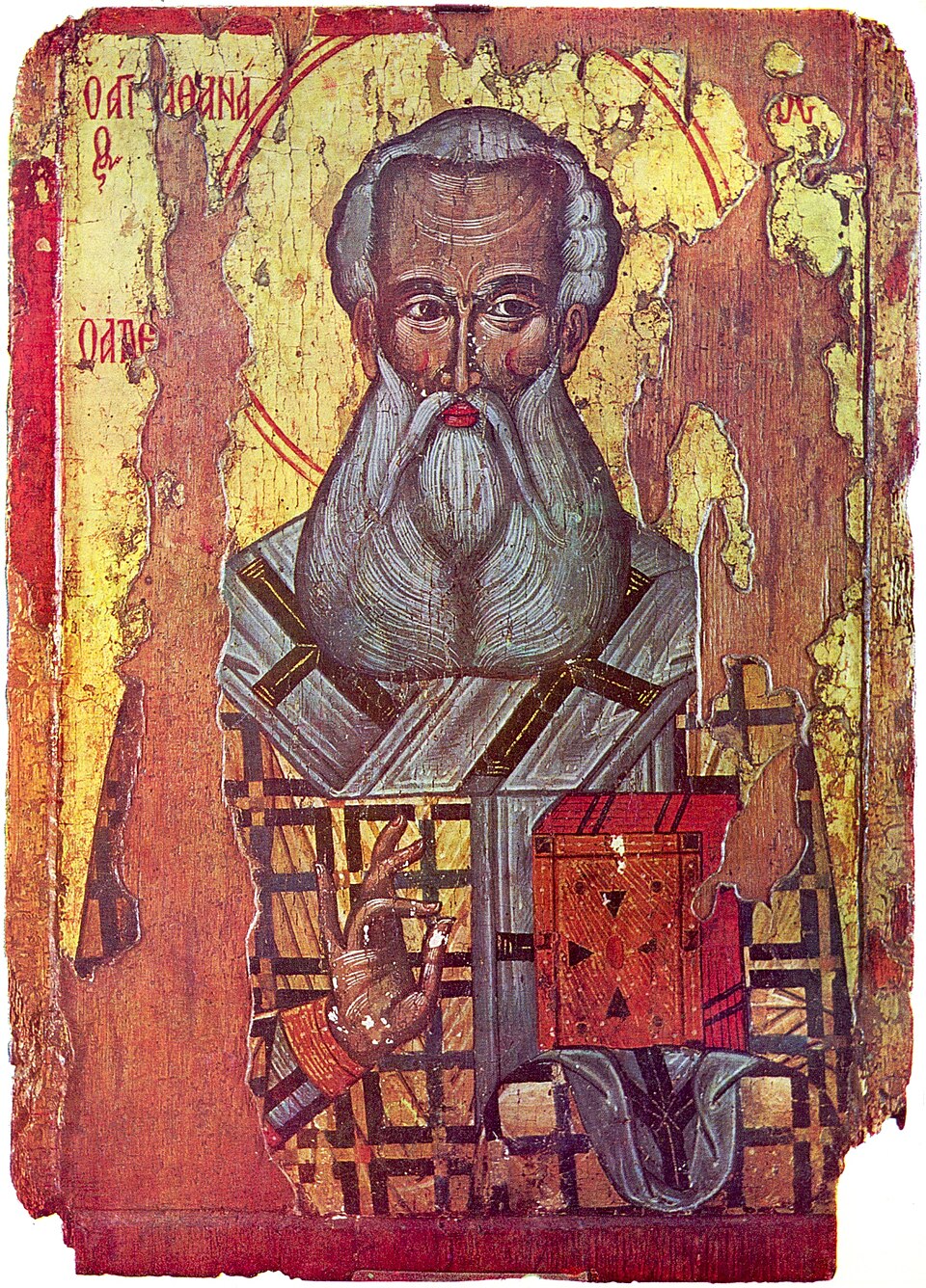
In the early fourth century, Christians went from facing persecution to receiving uncertain support from the empire. Athanasius of Alexandria wrote On the Incarnation during a time of confusion and exile. Many believers lost homes and were divided over who Christ was. For them, the question of Jesus’s identity had real and urgent consequences (Athanasius, On the Incarnation 1–2).

Athanasius lived and wrote in Alexandria, a city known for its intellectual life. Here, Greek philosophy, Jewish theology, Roman authority, and Christianity all met. The main conflict was about one question: Who is Jesus? Was he fully God or a created being? The Arian controversy was serious, as it affected Christian worship, prayer, and salvation (John 1:1–3; Colossians 1:15–20).

Athanasius said that if Christ is not fully God, then humanity stays trapped in decay (Athanasius, On the Incarnation 7). A created being cannot restore creation; only the Creator can heal what is broken (Psalm 36:9; Hebrews 2:14–15). Only God saves; Jesus saves; therefore, Jesus is God. This fundamental principle forms the basis of Athanasius’s argument and guides the whole book. Athanasius is not just focused on philosophical detail; he wants to show that the world is being restored.

Athanasius retells the Christmas story as a struggle involving the whole universe, underscoring its importance for his message. He moves beyond simple sweetness or just historical views, placing the empire’s power alongside the quiet strength of Christ’s simple birth. Where others see only a child in a manger, Athanasius sees a revolution: the incarnation as God’s bold action in the world of power.

Jesus was born during a time of empire, census, displacement, and fear (Luke 2:1–7). Caesar Augustus claimed to bring peace, but did so through taxes and military force. Joseph and Mary travelled because of an imperial order. Jesus was born not in a palace, but in a borrowed place, far from power. For Athanasius, this is important. While the empire tries to keep order, creation is falling apart (Athanasius, On the Incarnation 4).

Athanasius says that humanity’s problem is not only moral failure, but also corruption. God made people from nothing and keeps them alive through relationship. When people turn away from God, they move toward nothingness (Athanasius, On the Incarnation 4–5; Genesis 1:26–27; Romans 1:21). Sin breaks things apart. Death serves as more than a punishment; it is what happens when we separate from the source of life (Romans 6:23).

Athanasius sees Christmas as the turning point, the moment when God enters humanity’s broken world.

The incarnation shows that God does not abandon creation. The Word does not rule from far away or just send messages from heaven. The Word becomes flesh (John 1:14). For Athanasius, being truly human is essential. Salvation cannot happen from a distance. Healing requires closeness. What is not assumed cannot be restored (Athanasius, On the Incarnation 8–9).

Athanasius focuses on Christ’s body for a reason. The manger leads to the cross, not simply a feeling, but as a core belief. The body placed in the straw is the same body placed in the tomb (Athanasius, On the Incarnation 20; Luke 23:46). God chooses to be fully vulnerable from the beginning. Hunger, tiredness, suffering, and death are not too low for God (Hebrews 2:17).

The Controversy

The Arian controversy questioned whether Christ was truly God. It said the Son was separate and lower than the Father. Arians said that if the Son was born, there was a time when he did not exist. This made him a created being, not the Creator. The idea made God seem easier to understand by making the Son less than fully God. These arguments became popular because they seemed logical and because explaining the Trinity is hard. However, Athanasius challenges this by asking: How can something created save all of creation? He argues that if death holds humanity, only the Author of life can break that hold (Athanasius, On the Incarnation 7; Acts 2:24). Therefore, when the immortal Word enters death, death meets what it cannot control. Athanasius says the resurrection is not an afterthought, but the public result of what the incarnation began (Athanasius, On the Incarnation 25; 1 Corinthians 15:54–57).

Athanasius shows that incarnation and salvation go together. What we believe about Christ is linked to what we believe about humanity. To say Christ is truly human also says something about all people (Athanasius, On the Incarnation 54; Romans 8:29). Jesus is not an exception; he reveals what it means to be human. Salvation brings humanity back to what it should be.

This vision deeply affects how we live our faith. If God has entered human life, then every part of our physical existence matters spiritually (Athanasius, On the Incarnation 8; Genesis 1:31). Eating, working, loving, suffering, and rejoicing are all ways we can meet God (1 Corinthians 6:19–20). Holiness is not about leaving the world; it’s about living in it. Practically, this means engaging in kindness and service, seeing God’s face in each person. It also means practising daily gratitude and being mindful of God’s presence, whether in quiet reflection or in busy work. By fostering loving, compassionate relationships, we reflect Athanasius’s incarnational theology, connecting deeply with others and God through our everyday actions.

In the fourth century, there was political turmoil, theological conflict, and fear. Athanasius makes a bold claim: reality’s centre is now in human flesh (Athanasius, On the Incarnation 16; Ephesians 1:10). The world’s stability depends not on empire or philosophy, but on a child born under occupation (Luke 2:7). This is a profound challenge to powers that demand ultimate loyalty, both then and now. The focus shifts from secular dominance to divine presence in unexpected places.

For Athanasius, that is what Christmas is all about.

Christmas means that God joins his life to the world (Matthew 1:23). Heaven does not wait for people to reach up; it comes down. Instead, heaven comes down and lifts us from within (Athanasius, On the Incarnation 54; John 3:13). The manger is the main path, not a side road.

Athanasius believes that because the Word enters our story, history now moves toward life rather than emptiness (Athanasius, On the Incarnation 56; Revelation 21:5).

Even though it is deep theologically, On the Incarnation is easy to read. Athanasius writes in a clear, urgent, and caring way. This theology is not only for experts; it speaks to a Church trying to remember God during times of confusion and fear. That alone makes it worth reading.

But even more, this book gently changes how we see things. It moves past sentimental Christmas ideas and offers something stronger and more hopeful. God does not control humanity from a distance. Instead, God enters our weakness and heals it from the inside. That vision stays with you long after you finish reading.

For those seeking a Christmas book that is honest, challenging, and full of life, On the Incarnation stands out. It does not offer easy comfort. Instead, it presents a vision of a world upheld by the Word made flesh.
My Top 5 Books of 2025

I do not usually read with lists in mind. I read slowly, often distractedly, sometimes devotionally, sometimes just to survive a season. But looking back over this year, a handful of books stand out not because they impressed me intellectually, but because they helped to form me. They changed the way I noticed the world. They softened me. They reoriented my imagination toward God.

These are my top five books of 2025, not ranked by importance, but gathered because each met me where I was and quietly moved me somewhere better.

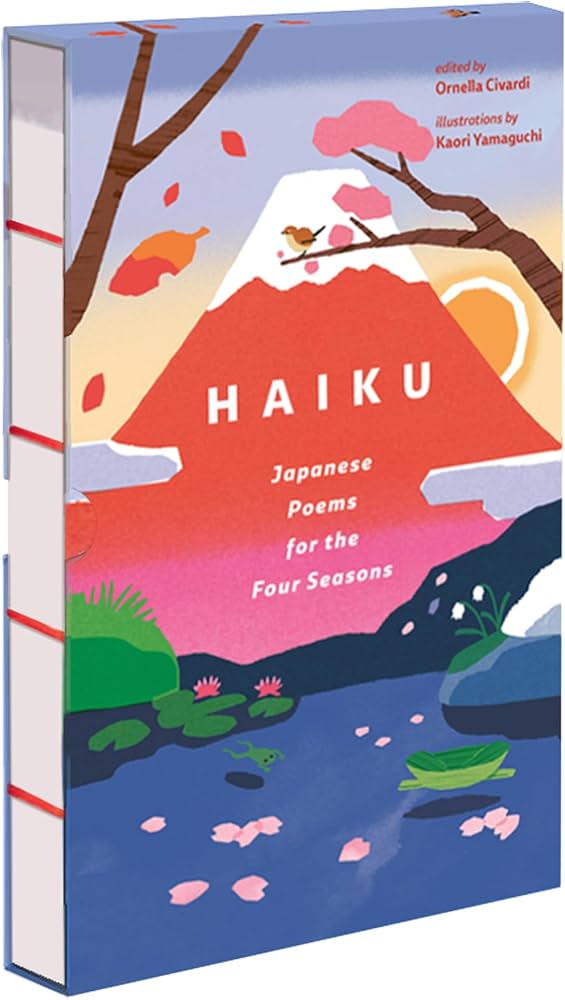
1. Haiku: Japanese Poems for the Four Seasons edited by Ornella Civardi

This book did something simple. It forced me to slow down.

Haiku does not allow for rushing. There is no room for verbosity or explanation. You must attend. You must notice. A falling leaf. The sound of rain. A moment that would otherwise pass unnoticed. Reading these poems is helping me to train my attention outward again, away from constant abstraction and into the texture of the world around me.

Spiritually, this mattered more than I expected. It reminded me that presence is not a technique but a posture. That the sacred often hides in what is small and fleeting. That God does not always speak in paragraphs but sometimes in a single image, held long enough to be received.

I found myself more deliberate after reading this book. More aware of light, sound, and stillness. In a culture obsessed with speed and productivity, haiku felt quietly resistant. Almost monastic.

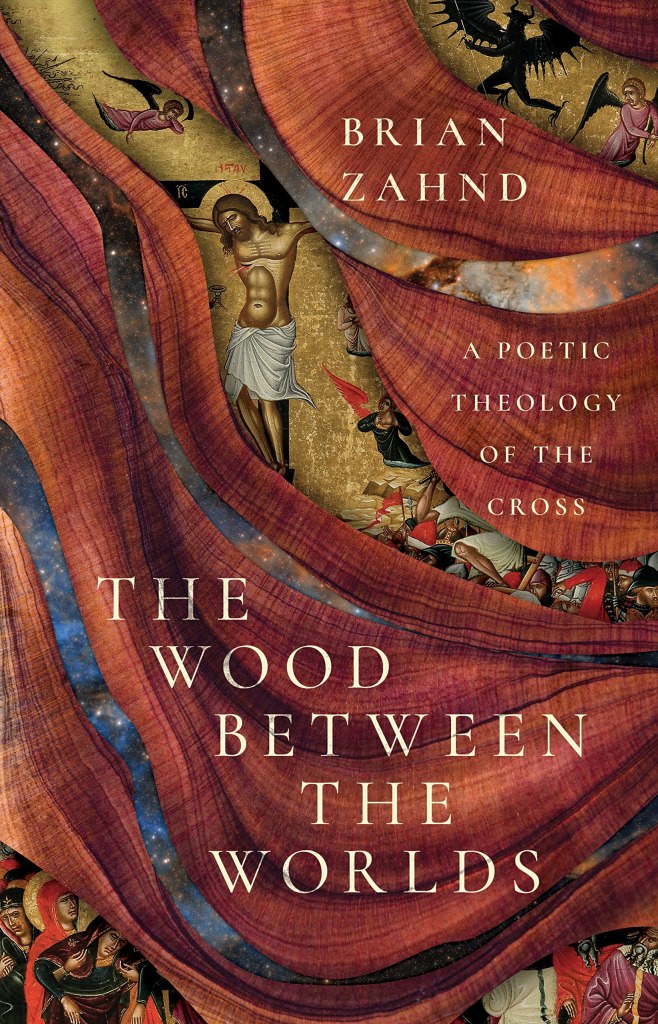
2. The Wood Between the Worlds by Brian Zahnd

Zahnd has a gift for naming the thin places between heaven and earth, and this book lives entirely in that space. Drawing its imagery from C S Lewis, The Wood Between the Worlds explores liminality, transformation, and the places where God meets us between certainty and chaos.

What I appreciated most was its refusal to rush toward answers. This is not a book trying to win arguments. It is a book inviting readers into mystery, into surrender, into the slow work of unlearning false images of God.

It resonated deeply with my own growing sense that faith is less about holding tight to certainty and more about learning how to dwell faithfully in the in between. Zahnd writes with pastoral warmth, theological depth, and poetic imagination, making this a book I returned to more than once.

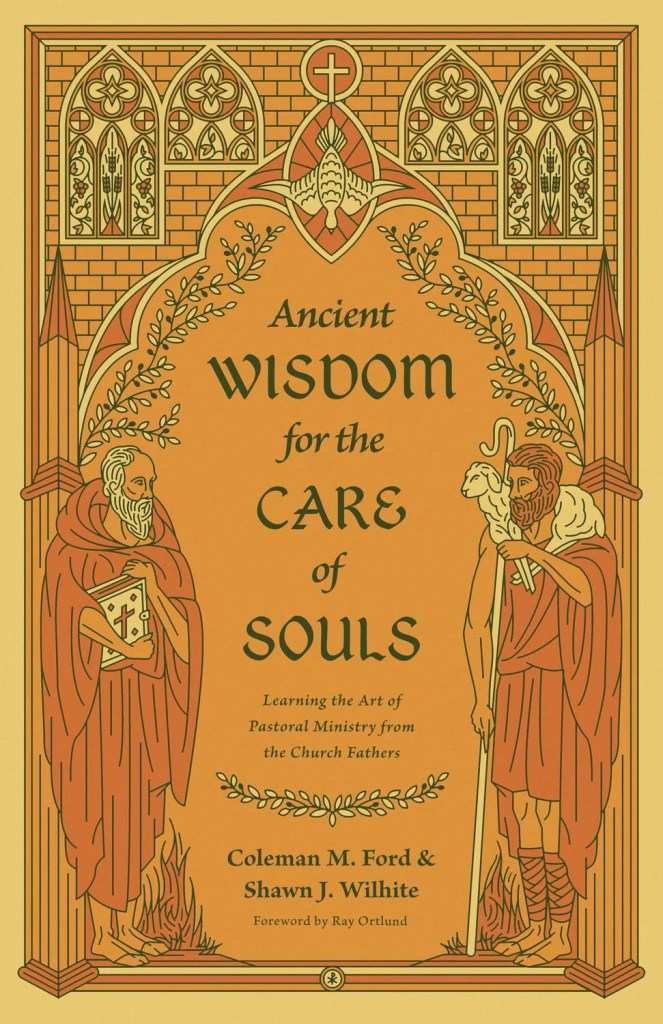
3. Ancient Wisdom for the Care of Souls: Learning the Art of Pastoral Ministry from the Church Fathers By Coleman M. Ford and Shawn J. Wilhite

In an age where pastoral ministry is often shaped by metrics, branding, and performance, this book gently but firmly pulls us back to a much older vision of soul care. One rooted in patience, humility, discernment, and deep attention to the inner life.

The section on Gregory of Nyssa stood out to me in particular. His vision of the soul as endlessly journeying into God, always growing, always becoming, reframed formation not as fixing people but as accompanying them. Gregory does not see humanity as a problem to be solved, but as a mystery to be loved into wholeness.

That perspective has stayed with me. It has shaped the way I think about spiritual direction, formation, and even my own inner life. It reminded me that good pastoral care is slow, relational, and deeply human.

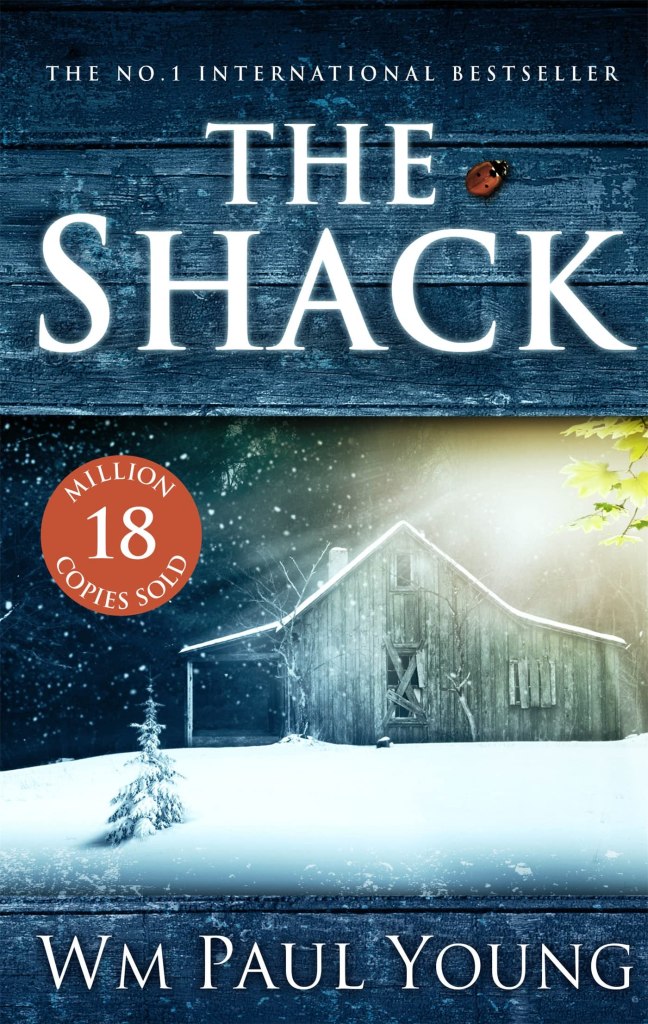
4. The Shack by William Paul Young

I know this book divides opinion. But this year, God used it powerfully in my life.

The Shack met me at a time when I needed healing more than explanation. It did not answer all my theological questions, nor did it try to. Instead, it reintroduced me to a God who is present in suffering, gentle with wounds, and more loving than my fear had allowed me to imagine.

Reading it felt less like consuming a book and more like being accompanied through a difficult conversation. It helped clarify my path toward God this year, not by removing doubt, but by reshaping trust.

For all its simplicity, The Shack carries a deeply pastoral theology. One that prioritises relationship over control, love over fear, and presence over performance. I am grateful for it.

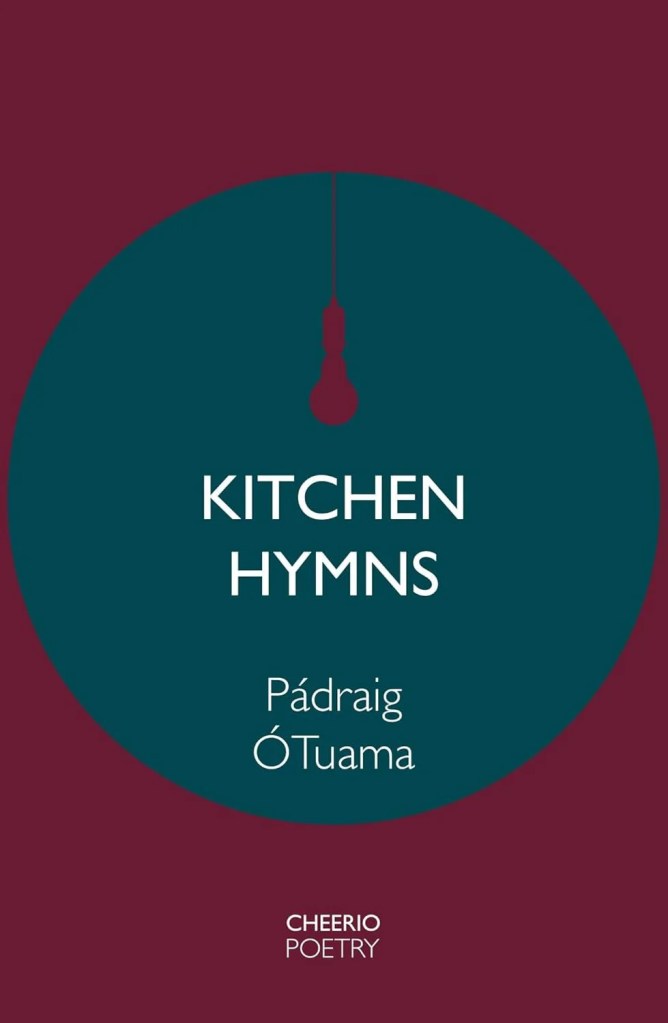
5. Kitchen Hymns by Pádraig Ó Tuama

Reading Pádraig always feels like home.

Ó Tuama has a remarkable ability to write about God without forcing God into the room. Kitchen Hymns is intimate, domestic, and deeply human. It finds the sacred in ordinary spaces, conversations, and moments that rarely feel religious enough to matter.

What I loved most is how gently theological it is. The poems and reflections do not preach. They listen. They honour complexity. They allow grief, joy, doubt, and love to sit at the same table.

This book reinforced something I keep returning to in my own writing and faith. That God is not waiting for us in abstraction or spiritual achievement, but already present in kitchens, friendships, silence, and shared meals.

The Shack: A Reflection

When William Paul Young wrote The Shack, he was not trying to explain why terrible things happen. He was writing his way through sorrow. Like Job, he sat among the ashes, surrounded by questions that would not rest. Out of that ache came a story. Not a sermon, but a parable about the God who meets us in our broken places.

The Silence of God

In the book of Job, the suffering man cries into the dark, “Oh, that I knew where I might find him.” Mackenzie, the father in The Shack, makes the same cry. He pleads for answers, for justice, for the God who seems to have turned away. And then, like Job, he receives not an explanation but an encounter.

The story reminds us that God does not stand outside pain, observing from a safe distance. God enters it. The cross is not a theory of evil but the place where God shares it. Gregory of Nyssa (c. 335–395) once wrote, “That which He has not assumed He has not healed.” When Christ took on our humanity, our confusion, our fear, our grief, He turned suffering into the place where healing begins.

The Human Face of God

What startled many readers of The Shack was how ordinary God seemed. The Father, called Papa, is a warm woman who laughs and bakes bread. The Spirit moves like a soft wind, full of life. Jesus is earthy, playful, and scarred.

For some, this felt irreverent. For others, it was freeing. It reminded us that the mystery of God is larger than our imagination, and that God is not afraid of being close. Irenaeus of Lyons (c. 130–202) once said, “The glory of God is a human being fully alive.” The divine shows up not in grand displays of power but in the tenderness of relationship.

For me, that image of God as a woman was strangely comforting. I have carried my own wounds around the word “father,” the kind of ache that makes intimacy with God feel complicated. Meeting God first in a motherly form would be a gentler introduction for my heart, an invitation to trust again before I could rediscover what “Father” might really mean. And that is all right.

God is not confined to any one image or gender. Scripture speaks of God as a mother who comforts her child, as a father who runs to embrace his son, as wisdom dancing at creation, as spirit breathing over the waters. God contains them all and yet exceeds them all. When God meets us, it is always in the way that heals us best.

And perhaps that is what The Shack captures so beautifully. God does not always have to relate to us in perfect theological categories. The God of the novel might not look exactly like the Trinitarian formulations of church history, but that does not make the encounter less true. Sometimes what is doctrinally perfect is not what is pastorally healing. Sometimes what is fact is not yet what is good for us.

God meets us where we are, not where we have managed to arrive theologically.

These kitchen scenes of cooking, laughing, and washing dishes are not incidental. They show us that heaven is not far away, and that holiness is not fragile. God is at home in our kitchens and our conversations, in the small things that hold the world together. Bread broken in love is never just bread. It becomes the body of grace in every act of forgiveness.

The Dance of Relationship

The story shows the Trinity not as an idea to explain but as a living dance of love. Mack finds himself in a circle of laughter, humility, and delight. Father, Son, and Spirit moving together. There is no hierarchy, no fear, only mutual joy.

This is what divine life looks like, communion that never ends. Mack’s healing does not come through answers but through being drawn into relationship. He learns to trust again. He learns that forgiveness is not demanded of him but offered to him. The Father holds his pain without rushing him. The Spirit guides him into honesty. Jesus walks beside him in the dirt, showing him that redemption is as simple and sacred as friendship.

The Trinity is not explained here. It is experienced. The story whispers that God’s power is not the power to control but the power to love without limit.

The Mystery of Shared Suffering

When Mack asks why God allowed his daughter to die, God does not give a reason. God grieves with him. The most daring moment in the book is when we see God cry. Those tears are not weakness. They are the heart of compassion.

In Christ, God takes our pain into Himself, and in doing so makes it holy. The tears of God in The Shack reflect the tears of Christ at Lazarus’ tomb, tears that do not remove death but transform it.

The story shifts our question from Why does God allow suffering? to Where is God in my suffering? And the answer, again and again, is Here.

The Shacks We Carry

Each of us has a shack, a place in our hearts that we have boarded up, a room where grief or guilt still lives. We avoid it. We build our lives around it. But this story invites us to step inside again, not alone but with God.

When we dare to enter that place, we may find what Mack finds, that the very ground of our pain can become the ground of God’s presence. The shack becomes a temple. It becomes a place of communion.

Athanasius of Alexandria (c. 296–373) once wrote, “God became what we are, that He might make us what He is.” In other words, God steps fully into our humanity so that our humanity can be gathered into divine love. God meets Mack not to undo what happened, but to show him that nothing, not even the deepest wound, can separate him from love. What changes is not the past but the way it is carried, from isolation to belonging, from despair to trust.

An Invitation

Perhaps The Shack is not a story to be solved but a space to inhabit. It does not offer tidy explanations. It opens a room for encounter. It asks whether we are willing to meet God, not the idea of God, but the living presence who cooks, who laughs, who cries, who stays.

So maybe the question for us is this.
Where is our own shack?
Where is that place we have locked away because it hurts too much to enter?
And what if God is already there, waiting by the fire, patient as bread rising in the oven, whispering, “You were never meant to carry this alone”?

The heart of the story is not about understanding suffering but about discovering love. It is not about solving God but trusting God. Faith is not built on answers. It is built on presence.

And maybe that is the quiet truth of The Shack: that God is nearer than we ever dared to believe, nearer than our pain, nearer than our fear, nearer than our own breath.

Books for the Road: Reading Through Doubt and Deconstruction

You’re not alone if you’re wrestling with doubt, rethinking your faith, or wandering the winding path of deconstruction. This journey is confusing, lonely, and sometimes even terrifying for many. But you’re not the first to walk it—and you don’t have to do it without companions.

Here are a few books that have offered wisdom, empathy, and even a little light in the dark for fellow pilgrims:

1. Faith After Doubt — Brian McLaren

McLaren gently reframes doubt not as the enemy of faith but as part of its maturation. If you’re deconstructing, this book offers a four-stage model that validates your questions and invites you to move forward with integrity.

2. The Audacity of Peace: Invisible Jesus in a Violent World — Scot McKnight

McKnight confronts the disconnect between the real Jesus and the distorted versions we often inherit. Rooted in peacemaking and justice, this book invites us to rediscover the counter-cultural Christ that many feared didn’t exist. It’s a bold, timely read for those burned by power-shaped religion.

3. The Sin of Certainty — Peter Enns

If “believing the right things” no longer works for you, Enns offers a different take: trust. Drawing from Scripture and his own story, he makes space for a more dynamic, less rigid faith.

4. When Everything’s on Fire — Brian Zahnd

I cannot recommend this book enough. Zahnd speaks to the crisis many face when faith burns down. But rather than leaving it all behind, he makes a passionate case for a deeper, post-deconstruction Christianity rooted in mystery and beauty.

5. Perhaps: Reclaiming the Space Between Doubt and Dogmatism — Josh McNall

McNall argues that we don’t need to choose between rigid certainty and total scepticism. Perhaps is a compelling call to humility and hope—a way to hold convictions while remaining open to mystery.

This isn’t a map—but maybe it’s a stack of trail notes passed from one wanderer to another.

I’d love to hear if you’ve read something that helped you stay in the wrestle.

The Best Books I’ve Read In 2022

The Soul of Desire: Discovering the Neuroscience of Longing, Beauty, and Community by Curt Thompson

To some people, the desire to be known might not come as a shock. However, God used this book powerfully to expose my innermost desire: to be known by Him and the people around me. Curt Thompson writes poetically, eloquently, with sophistication and depth that only the most artistic neurobiologists could write. Thompson masterfully weaves faith, psychology, and the world’s beauty into a rich and profoundly moving tapestry of transformative meaning for the indigent and broken Christian.

When Everything’s on Fire: Faith Forged from the Ashes by Brian Zahnd

If my Christian journey can be defined by one word for the last few years, that would be deconstruction (and reconstruction). Deconstruction has become increasingly popular lately, and Brian Zahnd is a clear voice through the flames when your faith seems to be burning down around you. Zahnd writes with intelligence, wisdom, and prophetic vigour as he reflects on his journey through the fire while bringing together some of the most critical voices of the past and present. Zahnd encourages the deconstructing Christian to commit to reconstruction and that Jesus is worth clinging to.

Saving Us: A Climate Scientist’s Case for Hope and Healing in a Divided World by Katharine Hayhoe

Climate change is arguably the biggest threat to humanity; as Christians, we are obligated to play our part. Katharine Hayhoe is a passionate climate change scientist who loves Jesus just as much as she loves the world he created. It is a part of her mission to help churches see the importance of living out our Genesis 1-2 mandate and care for the world as intended. This book helps the already converted and the sceptic bring together seemingly opposing worldviews so that they may live faithfully and with urgency.

How to Inhabit Time by James K. A. Smith

In this book, James K. A. Smith writes to help us (as the blurb describes) develop a sense of temporal awareness. Many Christians, even just people in the west, lack the ability to live wisely in our cultural and historical moment. I’m still working my way through this book. Still, Smith writes with philosophical sophistication, historical awareness and sharp cultural discernment as he moves the reader away from their own individualistic perception of history and into how to be influential kingdom-minded people in their moments of history.

Sabbath by Abraham Heschel

I was reluctant to put this book on my list, not because I don’t think it deserves to be in my top five, but because when I finished the book, I wasn’t entirely sure what I had just read. Sabbath is a classic Jewish work on the “architecture of time.” For Heschel, the sabbath day was the day in which every other day led to. It was this sacred temple in time that allowed God and his creation to come together in a kairo-protest of the worldly powers that be.