Healing Before Obedience: The True Path of Discipleship

Illustration of a therapy session at sunset, showing a gentle bearded therapist in a robe listening attentively to a person holding a cracked clay vessel glowing with soft light, symbolising healing and restoration.

There is a kind of spiritual exhaustion that settles into people who genuinely want to follow Jesus but can’t seem to make themselves “better”. They are not defiant. They are not lazy. They are not looking for loopholes. They are simply tired of carrying an inner world that feels frayed, reactive, anxious, or numb. Unfortunately, what they often receive from the Church is more “weight”.

Try harder. Pray more. Read your Bible. Stop doing that. Start doing this. Be disciplined. Be holy.

Those words can be true, as far as they go. But they can also be cruel when they are spoken to someone who is not yet safe in their own skin. We keep asking wounded people to behave like healed ones. We keep demanding fruit from branches that are still snapped at the core.

The tragedy is that we call this “discipleship”. However, Jesus rarely starts where we do. Instead, He begins with restoration. He begins with presence. He begins with the gentle work of putting a human being back together.

And only then, sometimes quietly, sometimes with clarity, other times with mystery that requires faith, He invites them into a new way of living.

Healing comes before obedience.

Not as a modern self-help slogan. Not as an excuse to ignore holiness. But as a thoroughly Christian ordering of grace, truth, and transformation.

The Order of the Gospel

When the Church reverses the order, people either become hypocrites or casualties.

Some learn to perform. They polish the outside. They memorise the right phrases, adopt the right posture, and keep the right habits. But the inner world remains untouched. Desire stays bent. Shame remains in control and untouched. Anxiety continues humming under the surface. They become “good” in public but brittle in private. Their faith becomes performative image management.

Others collapse. They try to obey, fail, repent, try again, fail again. Eventually, they decide they are broken beyond repair, that God must be disappointed, and that everyone else must be doing Christianity better than them. They’re exhausted. They adopt impostor syndrome. The spiritual life becomes a treadmill powered by fear. Neither of these outcomes resembles the peace of Christ.

The gospel is not God issuing demands from a distance. It isn’t behaviour management. The gospel is God drawing near. It is God’s life moving toward our death. God’s wholeness moving toward our fracture. God’s love entering the places where we have learned to survive and transforming us from the inside out.

The Christian story begins with the incarnation: God in flesh. God in weakness. God in the ordinary and the wounded. Before Jesus teaches a single sermon, he is already saying something with His presence: you do not have to climb your way up to me. I have come down into you. We tend to treat obedience and rules as the entry point into transformation (though we’d never admit it). However, Jesus treats God dwelling among us as the entry point into the Kingdom.

Jesus Heals First

If you read the Gospels with even a little attention, a pattern emerges. Jesus does not primarily meet people with a checklist. He meets them with a kind of attention that feels like warm sunlight on a winter morning.

He touches lepers. That alone is a theological act. The body that society calls untouchable becomes, in Jesus’ hands, a place of divine contact and healing. Before the man has a new life, he has a new experience of belonging. Before he changes, he is met. He restores a bent-over woman and calls her “daughter”, publicly naming her dignity. He does not begin with a lecture about her habits. He begins by working on the inside and then the outside. Christ sits at the table with sinners, not as a tactic, but as a declaration: my holiness is not contaminated by your mess, and my love is not withheld until you are clean. I am here.

Even when Jesus confronts behaviour, he often does so after re-establishing safety. Consider Peter. Peter fails loudly. He denies Jesus, not once, but repeatedly, and then collapses into shame. After the resurrection, Jesus does not begin with punishment. He begins with breakfast. A fire. Fish. Ordinary warmth. Then, and only then, he asks Peter the most restorative question imaginable: do you love me? Not “why did you do it?” Not “how could you?” But: do you still want me? Is the relationship still alive?

It is psychologically sophisticated and spiritually profound.

Jesus is not ignoring sin. He is going beneath it.

Because sin is rarely (if ever) just about behaviour. It is often the surface, or the fruit of something deeper: fear, pain, disintegration, misdirected desire, unmet longing, a nervous system stuck in survival. Behaviour is the fruit, brokenness, and the things that enslave us are the root.

Jesus treats the person, not just the symptom.

Why Obedience Fails Without Healing

We have to be honest about how humans work. God made us embodied. That means spiritual formation is not only about ideas or willpower. It involves the mind, the body, memory, attachment, desire, and the patterns our nervous system has learned for staying alive.

Trauma does not only happen when something terrible happens. Trauma also happens when something good should have happened and did not: safety, protection, nurture, comfort, stable love. The wounds of absence can shape a person as much as the wounds of violence.

When the inner world is formed under threat, the body learns to survive. It develops strategies: people-pleasing, controlling, numbing, avoiding, performing, disappearing, and exploding. These behaviours are never acted out in a vacuum. They are learned responses to pain, suffering, and brokenness.

If you tell a person like that to “just obey”, you might get compliance, but you will not get transformation. Compliance is fear dressed in religious clothes. It looks like holiness from a distance. Up close, it is often anxiety and depression.

In these cases, obedience does not heal. It intensifies the fracture.

This is where shame becomes especially dangerous. Shame is not simply “I did wrong”. Shame is “I am wrong”. It collapses the whole self into failure. It makes the soul hide. It makes vulnerability feel like a threat. It teaches people to lie, even to themselves, because telling the truth would feel like committing suicide. You can’t build a mature Christian life on shame. You can build a controlled community with it. You can build a performance culture. You can build a church that looks clean (but is dead inside). But you can’t build the kind of people Jesus makes: honest, free, humble, resilient, tender, brave.

Obedience without healing is not sanctification. It is behaviour management. It is pruning leaves while the roots rot.

Sin as fracture, not merely rule-breaking

This is one of the places where theology and psychology can actually hold hands, if we let them.

Sin is real. Scripture does not downplay it. But sin, in the biblical imagination, is not only the breaking of rules. It is disunion. It is misalignment. It is a turning inward that fractures our capacity for love. It is a distortion of desire. It is a bondage to the powers that dehumanise humanity and cause fear, shame, death, violence, and idolatry. When sin is understood only as legal guilt, the solution becomes a legal transaction. When sin is also understood as wound and bondage, the solution becomes healing and liberation. This is why the gospels feel like a rescue story, not a courtroom drama.

Jesus does not merely announce forgiveness. He casts out what oppresses. He heals what is broken. He restores people back into community. He re-humanises them. He makes them whole. Forgiveness is a doorway back into right relationship with God, the world and even yourself.

And it is in relationships where true healing happens.

If God’s goal is union, then God’s work will look like reconciliation, restoration, and integration. God does not just want “better behaviour”. God wants you back. God wants your heart unknotted. God wants your body to breathe again. God wants your desires to become truthful. God wants your life to be free enough to love.

This is not therapeutic Christianity. This is Christianity as it always was when it was at its best – salvation as becoming truly human.

What Obedience Looks Like After Healing

This is where some people get nervous. They hear “healing comes first” and assume it means “obedience does not matter”. It matters. But it matters as fruit, not as an entry fee.

There is a kind of obedience that is fundamentally self-protective. It obeys to avoid punishment, to maintain image, to manage anxiety, and to stay in control. It is often rigid. It struggles to be honest. It is terrified of ambiguity. It becomes harsh toward others because it is harsh toward itself. It’s bitter, judgmental, scared and closed off.

Yet there is another kind of obedience. It is both softer and stronger. It obeys because it trusts. It obeys because it has been loved. It obeys because desire has been sufficiently healed to want the good without being forced into it. This kind of obedience is not held onto; it is surrendered.

It is not performative. It is quiet. It is not obsessed with being seen as “right”. It is more concerned with being real. It is what love looks like when the soul is no longer defending itself.

This is why Jesus speaks so often about trees and fruit. Fruit grows when the conditions are right. It is not manufactured through pressure. You can tie fruit to branches with a string, but everyone can tell it is fake. Real fruit comes from life moving through the tree.

Union produces obedience the way sunlight produces growth. Not instantly. Not perfectly. But organically.

A Pastoral Reorientation

If healing comes before obedience, then a lot of our church instincts need to be re-examined. It means we should stop treating people as problems to be fixed and start seeing them as souls to be loved. It means we should be slower to correct and quicker to listen. It means we should create communities where confession is not a public execution but a doorway into mercy and change. It means we should stop confusing “high standards” with spiritual maturity. Many people can keep standards. Fewer people can become humble. Fewer still can become gentle. The Pharisees obeyed plenty of rules. Jesus still called them blind.

It also means we need to distinguish between conviction and condemnation.

Conviction is usually specific. It has clarity. It leads toward life. It can be painful, but it does not crush the self. Condemnation is vague. It is global. It tells you that you are the problem, that you are unworthy, that you will never change. One draws you into God. The other drives you away.

If your spirituality leaves you terrified, brittle, performative, and exhausted, there is a good chance you are obeying without healing. Or you are trying to heal yourself through obedience. And it will not work. It cannot work. That is not how grace works.

Grace is not God lowering the standard. Grace is God raising the dead to it. That includes the dead places in us. The numb places. The angry places. The frightened places. The places we learned to hide. Jesus does not stand at the door of those places shouting instructions; He enters them. Jesus sits there with the patience of God. He touches what is untouchable, and He speaks to what has been silenced.

He stays.

And from that staying – slowly, obedience begins to make sense again. Not as a threat. Not as a way to earn belonging. But as a response to love.

A Contemplative Closing

There is a gentleness in God that we often mistake for permissiveness. It is not permissiveness. It is wisdom. God knows that fear cannot heal fear. God knows that shame cannot heal shame. God knows that woundedness cannot be commanded into wholeness. So God comes near. He heals. He restores, and He puts the pieces back together.

And then, like a path appearing under your feet, a new way of living opens. Not because you finally became strong enough. But because you were met by a person strong enough to hold you and see you while you learned how to walk again.

If you are tired, if you feel stuck, if obedience feels like grinding your teeth in the dark, consider this: maybe the invitation in front of you is not “try harder”. Maybe it is “come closer”. Maybe the next faithful step is not another vow of effort, but a quiet act of consent.

“Lord, heal what is beneath my habits.

Lord, meet me where I am fractured.

Lord, restore the parts of me that have been surviving.

And let obedience be fruit, in season, from a life finally learning how to breathe.”

Amen

My Top 5 Books of 2025

I do not usually read with lists in mind. I read slowly, often distractedly, sometimes devotionally, sometimes just to survive a season. But looking back over this year, a handful of books stand out not because they impressed me intellectually, but because they helped to form me. They changed the way I noticed the world. They softened me. They reoriented my imagination toward God.

These are my top five books of 2025, not ranked by importance, but gathered because each met me where I was and quietly moved me somewhere better.

1. Haiku: Japanese Poems for the Four Seasons edited by Ornella Civardi

This book did something simple. It forced me to slow down.

Haiku does not allow for rushing. There is no room for verbosity or explanation. You must attend. You must notice. A falling leaf. The sound of rain. A moment that would otherwise pass unnoticed. Reading these poems is helping me to train my attention outward again, away from constant abstraction and into the texture of the world around me.

Spiritually, this mattered more than I expected. It reminded me that presence is not a technique but a posture. That the sacred often hides in what is small and fleeting. That God does not always speak in paragraphs but sometimes in a single image, held long enough to be received.

I found myself more deliberate after reading this book. More aware of light, sound, and stillness. In a culture obsessed with speed and productivity, haiku felt quietly resistant. Almost monastic.

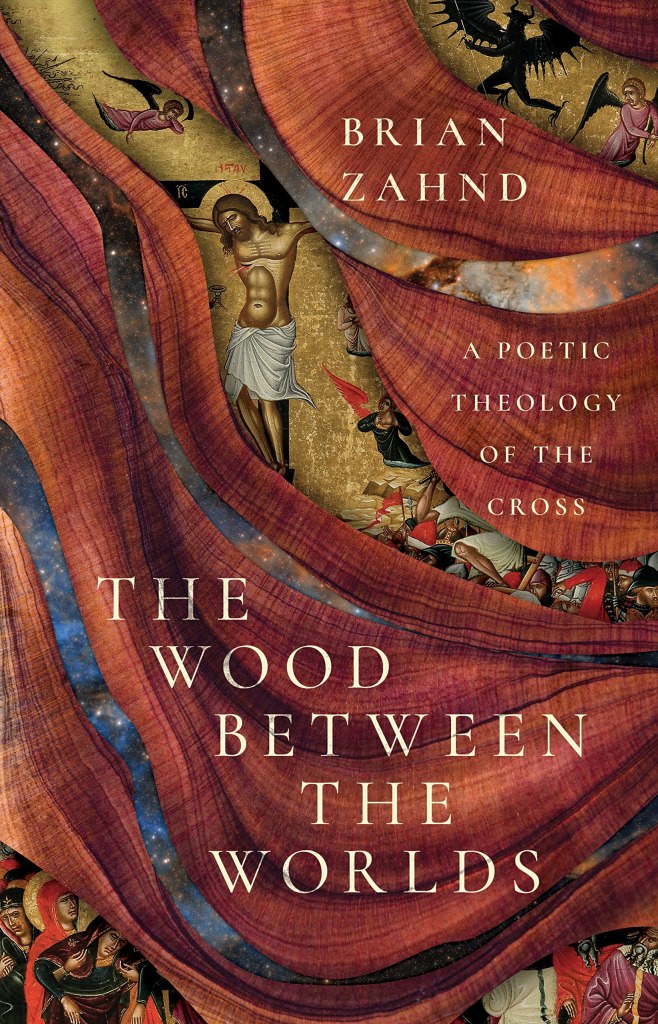
2. The Wood Between the Worlds by Brian Zahnd

Zahnd has a gift for naming the thin places between heaven and earth, and this book lives entirely in that space. Drawing its imagery from C S Lewis, The Wood Between the Worlds explores liminality, transformation, and the places where God meets us between certainty and chaos.

What I appreciated most was its refusal to rush toward answers. This is not a book trying to win arguments. It is a book inviting readers into mystery, into surrender, into the slow work of unlearning false images of God.

It resonated deeply with my own growing sense that faith is less about holding tight to certainty and more about learning how to dwell faithfully in the in between. Zahnd writes with pastoral warmth, theological depth, and poetic imagination, making this a book I returned to more than once.

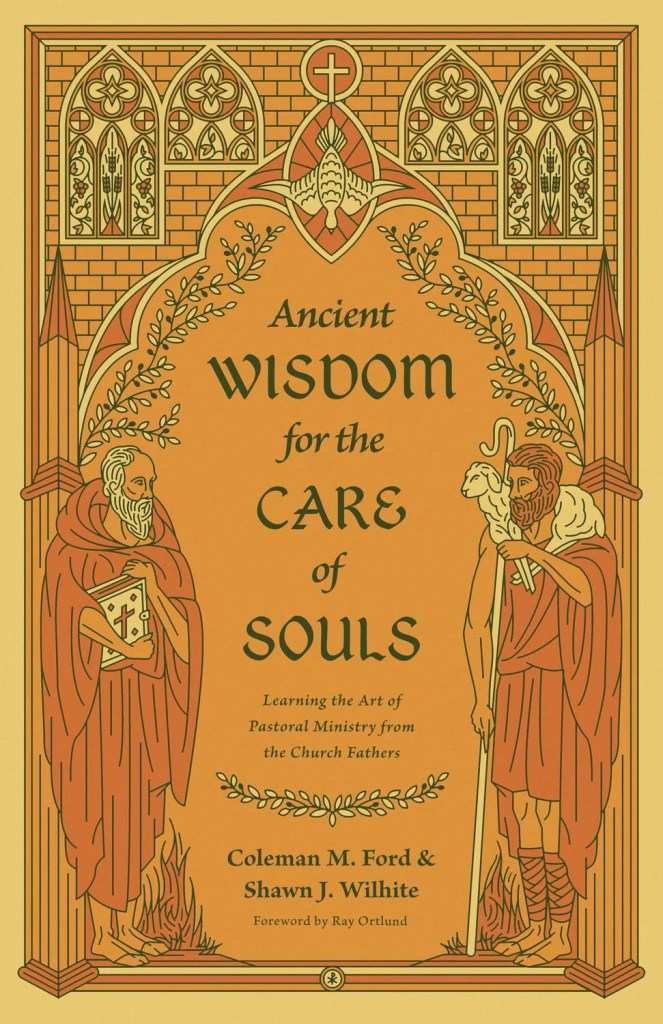
3. Ancient Wisdom for the Care of Souls: Learning the Art of Pastoral Ministry from the Church Fathers By Coleman M. Ford and Shawn J. Wilhite

In an age where pastoral ministry is often shaped by metrics, branding, and performance, this book gently but firmly pulls us back to a much older vision of soul care. One rooted in patience, humility, discernment, and deep attention to the inner life.

The section on Gregory of Nyssa stood out to me in particular. His vision of the soul as endlessly journeying into God, always growing, always becoming, reframed formation not as fixing people but as accompanying them. Gregory does not see humanity as a problem to be solved, but as a mystery to be loved into wholeness.

That perspective has stayed with me. It has shaped the way I think about spiritual direction, formation, and even my own inner life. It reminded me that good pastoral care is slow, relational, and deeply human.

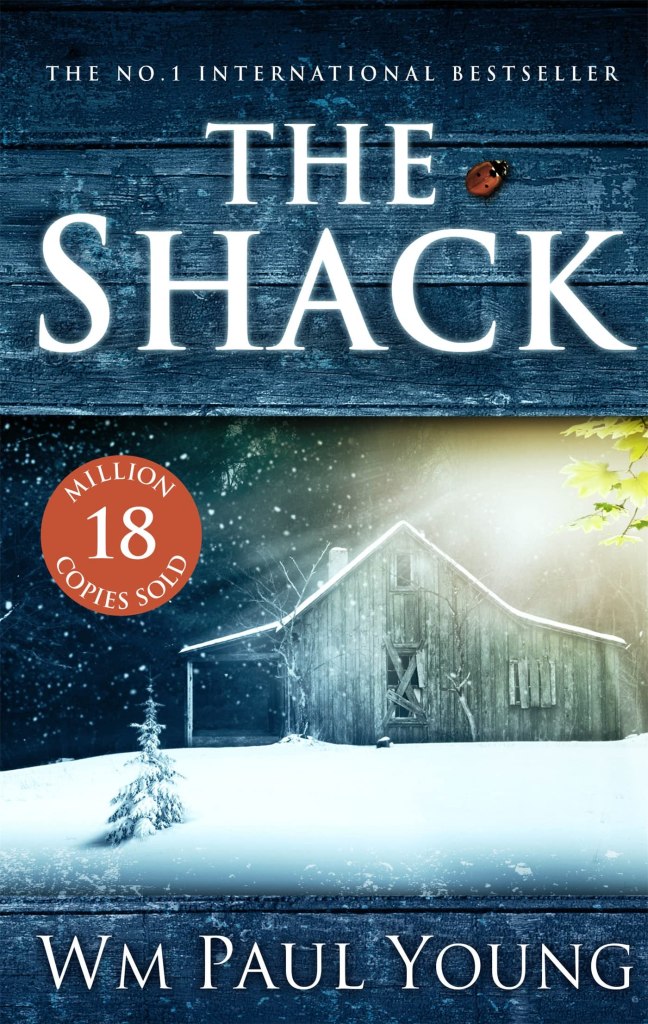
4. The Shack by William Paul Young

I know this book divides opinion. But this year, God used it powerfully in my life.

The Shack met me at a time when I needed healing more than explanation. It did not answer all my theological questions, nor did it try to. Instead, it reintroduced me to a God who is present in suffering, gentle with wounds, and more loving than my fear had allowed me to imagine.

Reading it felt less like consuming a book and more like being accompanied through a difficult conversation. It helped clarify my path toward God this year, not by removing doubt, but by reshaping trust.

For all its simplicity, The Shack carries a deeply pastoral theology. One that prioritises relationship over control, love over fear, and presence over performance. I am grateful for it.

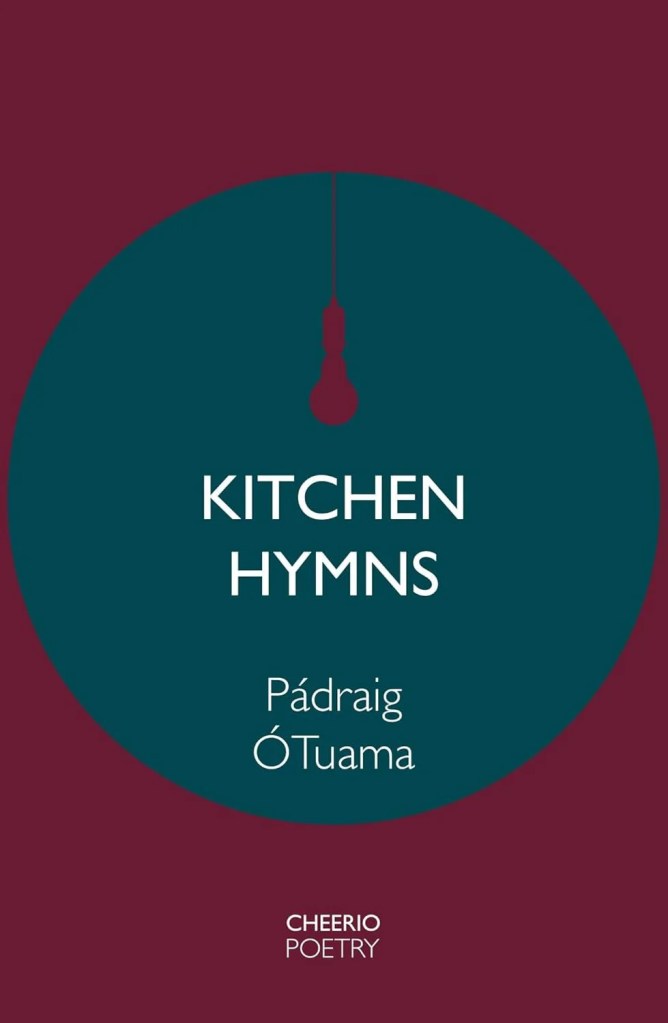
5. Kitchen Hymns by Pádraig Ó Tuama

Reading Pádraig always feels like home.

Ó Tuama has a remarkable ability to write about God without forcing God into the room. Kitchen Hymns is intimate, domestic, and deeply human. It finds the sacred in ordinary spaces, conversations, and moments that rarely feel religious enough to matter.

What I loved most is how gently theological it is. The poems and reflections do not preach. They listen. They honour complexity. They allow grief, joy, doubt, and love to sit at the same table.

This book reinforced something I keep returning to in my own writing and faith. That God is not waiting for us in abstraction or spiritual achievement, but already present in kitchens, friendships, silence, and shared meals.

Recovering the Lost Books: Why Protestants Need the Deuterocanon Again

Why don’t we (Protestants) read the apocrypha? The first Christians read Scripture with wider eyes. Their Bibles included books like Wisdom, Sirach, Baruch, Tobit, Judith, and the Maccabees. These books shaped their imagination, their theology, and their understanding of God.

Modern scholarship confirms this (N T Wright, Larry Hurtado, Lee McDonald). Jesus and the apostles inherited a Greek Jewish Bible that included these writings. In other words, the world of the New Testament is Deuterocanonical.

A Lost Inheritance

During the Reformation, these books were not removed because they were unspiritual or unorthodox. They were moved aside for practical and historical reasons, not theological ones (see Alister McGrath, Bruce Metzger). The Reformers wanted to emphasise Hebrew manuscripts and guard against medieval excess, but in doing so they quietly set aside a treasured part of the early Christian imagination.

The result was a thinner canon. Not heresy-free, but texture-free. A loss of the voices that shaped the spiritual air that Jesus and the early Church breathed.

What These Books Give Us

The Deuterocanon does not contradict Scripture. It enriches it. And the New Testament writers show they knew these books intimately.

1. A wider imagination of divine mercy

The Deuterocanon constantly describes God as patient, restorative, and willing to heal what is broken. Wisdom 11 – 12 speaks of God whose judgment is measured by compassion. Sirach 2 and 17 emphasise mercy that endures and seeks the sinner. Baruch 4 – 5 offers hope of restoration for the scattered.

This is the same tone we hear in the New Testament. Paul’s language of God’s patience in Romans 2 resonates with Wisdom 12. James 1 echoes Sirach 2 almost line for line. Jesus’ teaching on generous mercy mirrors the moral vision of Sirach and Wisdom (see Ben Witherington, Richard Bauckham). Readers who know the Deuterocanon recognise these currents immediately. Those who do not simply sense beauty.

2. A deeper sense of spiritual formation

Sirach in particular reads like the spiritual director of ancient Israel. Its wisdom shaped the early Church fathers (see Athanasius, Augustine, Basil).

Its themes echo throughout the New Testament:
Jesus’ teaching on humility in Luke 14 echoes Sirach 3. The Lord’s Prayer resembles Tobit 13 and Sirach 28.
James’ emphasis on speech discipline mirrors Sirach 19 and 28, and
modern scholars note that James may be the most Deuterocanonical letter in the New Testament (see Richard Bauckham, Luke Timothy Johnson).

3. A vision of suffering that prepares the soul

Four Maccabees shaped the early Christian understanding of martyrdom (see Origen, Gregory of Nazianzus).

Its themes appear in:
Hebrews 11 where the Maccabean martyrs are referenced directly.
Hebrews 2 where the suffering of Christ mirrors the noble endurance central to Maccabean theology and
Revelation’s language of faithful witness through death. Wisdom 3 describes the righteous shining like sparks among stubble. Jesus uses the same imagery in Matthew 13. This is not a coincidence. It is continuity.

4. A sacramental view of creation

The Deuterocanon carries a world where God speaks through the ordinary. Tobit reveals divine guidance in family life. Judith portrays courage as sacrament.

Wisdom 7 paints a breathtaking vision of divine presence infused in creation, a passage that influenced early Christian theology of the Logos (see Justin Martyr, Irenaeus). When John opens his Gospel with the Logos who enlightens everyone, he is standing on the shoulders of Wisdom literature, especially Wisdom of Solomon.

5. A bridge between the Old and the New

The Deuterocanon does not stand apart from the biblical story. It is the bridge between the Testaments. Some examples where the New Testament expressly draws on these books:

Direct Echoes

Hebrews 1 draws heavily from Wisdom 7, describing Christ as the radiance of divine glory.
Romans 1 mirrors Wisdom 13 to 14 in its analysis of idolatry.
Ephesians 6 echoes Wisdom 5 in speaking of divine armour. Matthew 27’s mocking of Jesus recalls Wisdom 2 and its portrait of the righteous sufferer.

Thematic Echoes

Jesus’ parables of divine patience mirror Wisdom 12. Paul’s theology of immortality aligns closely with Wisdom 3.
James’ ethical teaching parallels Sirach everywhere. Revelation’s vision of the righteous shining comes from Wisdom 3. Scholars widely note that New Testament authors quote or allude to the Deuterocanon more often than to many books in the Protestant Old Testament (see Craig Evans, David deSilva).
Without these texts, the New Testament stands true, but strangely suspended. With them, it stands grounded and alive.

Why Protestants Need This Today

Reading the Deuterocanon does not mean abandoning Protestant convictions. It means recovering the breadth of the early Christian mind.

These books deepen:
our vision of divine mercy our understanding of justice as restoration
our sense of the spiritual life as a long obedience
our view of creation as a place where God moves
our ability to understand the New Testament’s theology. When Christians rediscover these books, their faith grows more ancient and more alive. Their picture of God widens. Their hope deepens. Their spirituality becomes more rooted in the world that formed Jesus and the apostles. Not because these books overwrite Scripture, but because they illuminate it. They give back to the Bible its original texture.

A Closing Thought

I am not arguing for a new canon. I am inviting us to remember the older one. The one that shaped the earliest believers. The one Jesus’ world knew. The one the apostles assumed. The one the Church prayed with for centuries.

The Deuterocanon reminds us that God’s story has always been wider than our traditions. That divine mercy is deeper than we imagine. That judgment aims at healing. And that the hope of God stretches further than we often dare to believe.

Sometimes recovering lost books is less about changing doctrine and more about expanding the heart.

The Shack: A Reflection

When William Paul Young wrote The Shack, he was not trying to explain why terrible things happen. He was writing his way through sorrow. Like Job, he sat among the ashes, surrounded by questions that would not rest. Out of that ache came a story. Not a sermon, but a parable about the God who meets us in our broken places.

The Silence of God

In the book of Job, the suffering man cries into the dark, “Oh, that I knew where I might find him.” Mackenzie, the father in The Shack, makes the same cry. He pleads for answers, for justice, for the God who seems to have turned away. And then, like Job, he receives not an explanation but an encounter.

The story reminds us that God does not stand outside pain, observing from a safe distance. God enters it. The cross is not a theory of evil but the place where God shares it. Gregory of Nyssa (c. 335–395) once wrote, “That which He has not assumed He has not healed.” When Christ took on our humanity, our confusion, our fear, our grief, He turned suffering into the place where healing begins.

The Human Face of God

What startled many readers of The Shack was how ordinary God seemed. The Father, called Papa, is a warm woman who laughs and bakes bread. The Spirit moves like a soft wind, full of life. Jesus is earthy, playful, and scarred.

For some, this felt irreverent. For others, it was freeing. It reminded us that the mystery of God is larger than our imagination, and that God is not afraid of being close. Irenaeus of Lyons (c. 130–202) once said, “The glory of God is a human being fully alive.” The divine shows up not in grand displays of power but in the tenderness of relationship.

For me, that image of God as a woman was strangely comforting. I have carried my own wounds around the word “father,” the kind of ache that makes intimacy with God feel complicated. Meeting God first in a motherly form would be a gentler introduction for my heart, an invitation to trust again before I could rediscover what “Father” might really mean. And that is all right.

God is not confined to any one image or gender. Scripture speaks of God as a mother who comforts her child, as a father who runs to embrace his son, as wisdom dancing at creation, as spirit breathing over the waters. God contains them all and yet exceeds them all. When God meets us, it is always in the way that heals us best.

And perhaps that is what The Shack captures so beautifully. God does not always have to relate to us in perfect theological categories. The God of the novel might not look exactly like the Trinitarian formulations of church history, but that does not make the encounter less true. Sometimes what is doctrinally perfect is not what is pastorally healing. Sometimes what is fact is not yet what is good for us.

God meets us where we are, not where we have managed to arrive theologically.

These kitchen scenes of cooking, laughing, and washing dishes are not incidental. They show us that heaven is not far away, and that holiness is not fragile. God is at home in our kitchens and our conversations, in the small things that hold the world together. Bread broken in love is never just bread. It becomes the body of grace in every act of forgiveness.

The Dance of Relationship

The story shows the Trinity not as an idea to explain but as a living dance of love. Mack finds himself in a circle of laughter, humility, and delight. Father, Son, and Spirit moving together. There is no hierarchy, no fear, only mutual joy.

This is what divine life looks like, communion that never ends. Mack’s healing does not come through answers but through being drawn into relationship. He learns to trust again. He learns that forgiveness is not demanded of him but offered to him. The Father holds his pain without rushing him. The Spirit guides him into honesty. Jesus walks beside him in the dirt, showing him that redemption is as simple and sacred as friendship.

The Trinity is not explained here. It is experienced. The story whispers that God’s power is not the power to control but the power to love without limit.

The Mystery of Shared Suffering

When Mack asks why God allowed his daughter to die, God does not give a reason. God grieves with him. The most daring moment in the book is when we see God cry. Those tears are not weakness. They are the heart of compassion.

In Christ, God takes our pain into Himself, and in doing so makes it holy. The tears of God in The Shack reflect the tears of Christ at Lazarus’ tomb, tears that do not remove death but transform it.

The story shifts our question from Why does God allow suffering? to Where is God in my suffering? And the answer, again and again, is Here.

The Shacks We Carry

Each of us has a shack, a place in our hearts that we have boarded up, a room where grief or guilt still lives. We avoid it. We build our lives around it. But this story invites us to step inside again, not alone but with God.

When we dare to enter that place, we may find what Mack finds, that the very ground of our pain can become the ground of God’s presence. The shack becomes a temple. It becomes a place of communion.

Athanasius of Alexandria (c. 296–373) once wrote, “God became what we are, that He might make us what He is.” In other words, God steps fully into our humanity so that our humanity can be gathered into divine love. God meets Mack not to undo what happened, but to show him that nothing, not even the deepest wound, can separate him from love. What changes is not the past but the way it is carried, from isolation to belonging, from despair to trust.

An Invitation

Perhaps The Shack is not a story to be solved but a space to inhabit. It does not offer tidy explanations. It opens a room for encounter. It asks whether we are willing to meet God, not the idea of God, but the living presence who cooks, who laughs, who cries, who stays.

So maybe the question for us is this.
Where is our own shack?
Where is that place we have locked away because it hurts too much to enter?
And what if God is already there, waiting by the fire, patient as bread rising in the oven, whispering, “You were never meant to carry this alone”?

The heart of the story is not about understanding suffering but about discovering love. It is not about solving God but trusting God. Faith is not built on answers. It is built on presence.

And maybe that is the quiet truth of The Shack: that God is nearer than we ever dared to believe, nearer than our pain, nearer than our fear, nearer than our own breath.

The God Who Refuses to Behave: Wrestling with God at Peniel

I’ve been told God is tidy. Predictable.

A polite guest who knocks at the door of my heart (Revelation 3:20)
and waits patiently until I invite Him in.

Calm. Respectable.
Never raising His voice.
Never moving a chair out of place
unless I have done something so bad He cannot ignore it.

But that is not the God I have met.

The God I know does not knock.

He storms in
like a summer squall,
blowing the screen door off its hinges.

I have felt Him in the sting of sudden tears while washing dishes.
In the silence after a friend spoke truth I did not want to hear.
In the way a bush can blaze in the middle of nowhere (Exodus 3:2).

He walks through locked rooms (John 20:19).
He meets you in the night for a wrestling with God
until you cannot tell if you are losing or being saved
just as Jacob did at Peniel (Genesis 32:24–30).

Some days I love Him for this.
Some days I do not.


Not the God of Neat Theology

I used to think faith was holding the right answers in a tight grip.

I could draw the Trinity’s diagram.
Recite the problem of evil like a manual.
God as a solved equation.

But He slipped through my grip.

Like wind through a cracked window
rattling the frame.

Job knew this.
He asked for reasons and got a whirlwind (Job 38–41).

Questions instead of answers.
Not cruelty, invitation.
Awe, not explanation.

The Bible’s God has edges.

Fire on Sinai (Exodus 19:18).
A whisper Elijah almost misses (1 Kings 19:12).
Splitting seas (Exodus 14:21–22).
Walking gardens at dusk (Genesis 3:8).

Same God.
No one pattern.
The same untameable God who shows up in ways we never expect.


The Unmanageable Presence

We put Him in systems.
Creeds.
Charts.

Doctrine matters.
But I have seen how beautiful cages still hold prisoners.

And the God inside always finds a way out.

Jeremiah sees almond blossoms in winter (Jeremiah 1:11–12).
Hosea marries the unfaithful (Hosea 3:1).
Mary gives birth in straw and animal breath (Luke 2:7).

None of it fits the script.

The mystics knew.

Meister Eckhart prayed, “God, rid me of God.”
Julian of Norwich called Him “our clothing”
close as skin
but also a love without edge or floor.


The Rebellion of Love

I have heard Him in creation groaning (Romans 8:22).
In the psalmist’s clenched fist:
“Awake, O Lord! Why do You sleep?” (Psalm 44:23).

I have seen Him in the eyes of the crucified
where my answers go to die (Mark 15:34).

I do not want the domesticated god anymore.

The god who never interrupts.
The god who never overturns.

The real God flips tables (John 2:15).
Strips my blankets.
Leaves me with Himself.

No roadmap.
No checklist.

Just a Presence.
Wild. Untameable.
Too beautiful to bear for long.


The Limp of Faith: Wrestling with God

Jacob left Peniel with a blessing and a limp.

The limp is holy.
The awkward walk of those who have been wrestling with God
and lived to tell of it.

I have learned to live with mine.
To let mystery sit where certainty used to.

God’s ways are higher (Isaiah 55:8–9).
Not just in glory
in strangeness too.

Let the theologians frown.
Let the pious keep their polite God.

I will take the One who wrestles me until dawn.
Who wounds to heal.
Who tears down my idols
and gives me Himself.


The Dangerous God Who Saves

He will not fit my doctrines.
But He will fit my wounds.

He splits seas.
Mends hearts.
Consumes like fire (Hebrews 12:29).
Hides me like a refuge (Psalm 32:7).

He will not behave.
And that is good news.

Because a God who will not behave
is a God who will cross every line to find me.

Even the line between life and death.

If that is dangerous theology
then give me more danger.


And if You will not behave

If You will not behave
neither will I.

I will not pray tidy prayers.
I will pray with fists.
With silence.
With the names I do not know how to use for You.

If You will not stay in the lines
take me with You.

Past the fences.
Past the rules.
Past the maps I drew to keep from getting lost.

Find me in the dark.
Wrestle me to the ground.

Bless me with the limp
that teaches me how to walk.

And I will call it love.